From Sketch to Sample: Custom Jewelry OEM Design Walkthrough
November 5, 2026
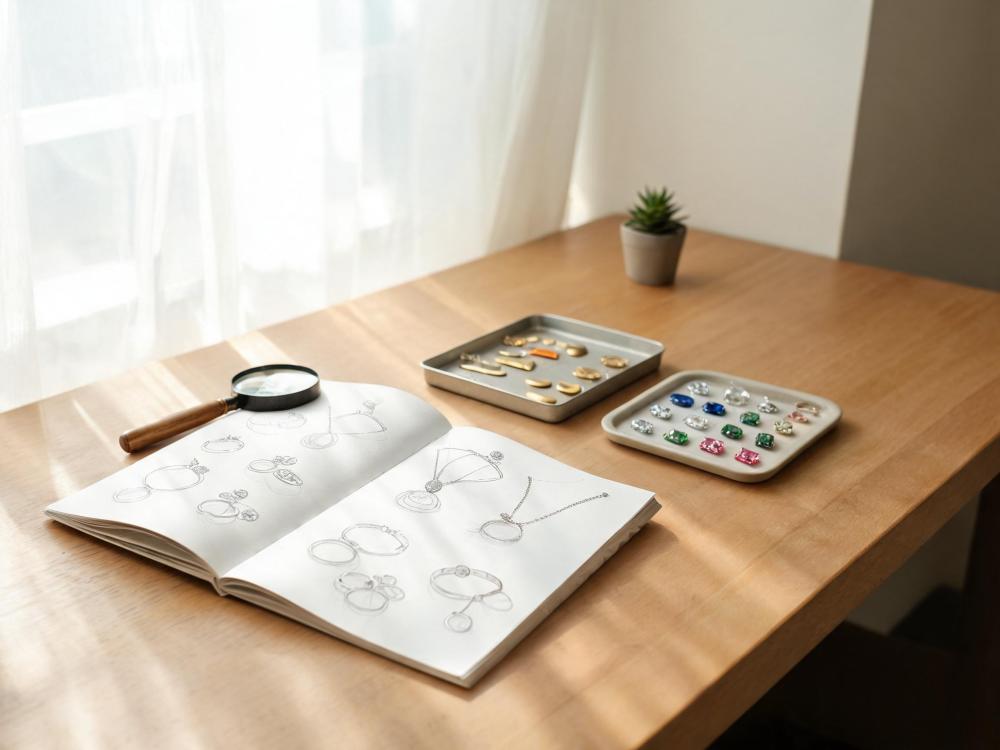
When boutique buyers and small jewelry brand owners first approach an OEM partner for custom designs, they often assume the process is simply sending a drawing and waiting for a finished piece. In practice, custom jewelry development follows a structured, iterative workflow designed to align expectations, resolve technical gaps, and deliver a sample that matches both your creative vision and manufacturing feasibility. Understanding each step will help you prepare better inputs, reduce revision rounds, and move from concept to physical sample as efficiently as possible.
Preparing Your Initial Design Brief for OEM Review
Before you share any sketch with a manufacturing partner, you will get faster, more accurate feedback if your design brief includes specific, actionable details rather than just a visual reference. OEM teams rely on concrete specifications to assess manufacturability, so vague descriptions of “dainty gold rings” or “boho necklaces” will lead to more follow-up questions and slower initial turnaround.
Your initial submission should cover core design parameters that directly impact production planning. You do not need engineering-level documentation, but you should have clear answers for the most common technical questions the OEM team will raise early in the review.
- Material preferences, including base metal type, karat weight for gold pieces, and any stone or bead specifications
- Target dimensions, such as ring band width, pendant height, or chain length, with notes on which measurements are flexible
- Surface finish details, from high polish to matte, brushed, hammered, or textured effects
- Functional requirements, such as clasp type, earring back style, or adjustability features
- Intended use case, such as everyday wear, bridal, or statement pieces, which informs durability decisions
Reference images of existing pieces can help convey aesthetic intent, but pair them with written notes about what you do and do not want to replicate. For example, note if you like the stone setting of one reference but the chain style of another, so the OEM team does not misinterpret which elements are core to your design.
Technical Feasibility and Design Refinement
Once your brief is received, the OEM team will conduct a technical review to identify any design elements that are difficult, expensive, or impossible to produce at scale. This step is not about changing your creative vision—it is about solving practical problems before you invest time and money in sampling.
Common feasibility adjustments include modifying stone setting styles to reduce production time, thickening thin structural elements to prevent breakage during wear, or adjusting curve angles so molds release cleanly. The team will also flag design choices that would push production costs outside typical ranges, so you can make tradeoffs early.
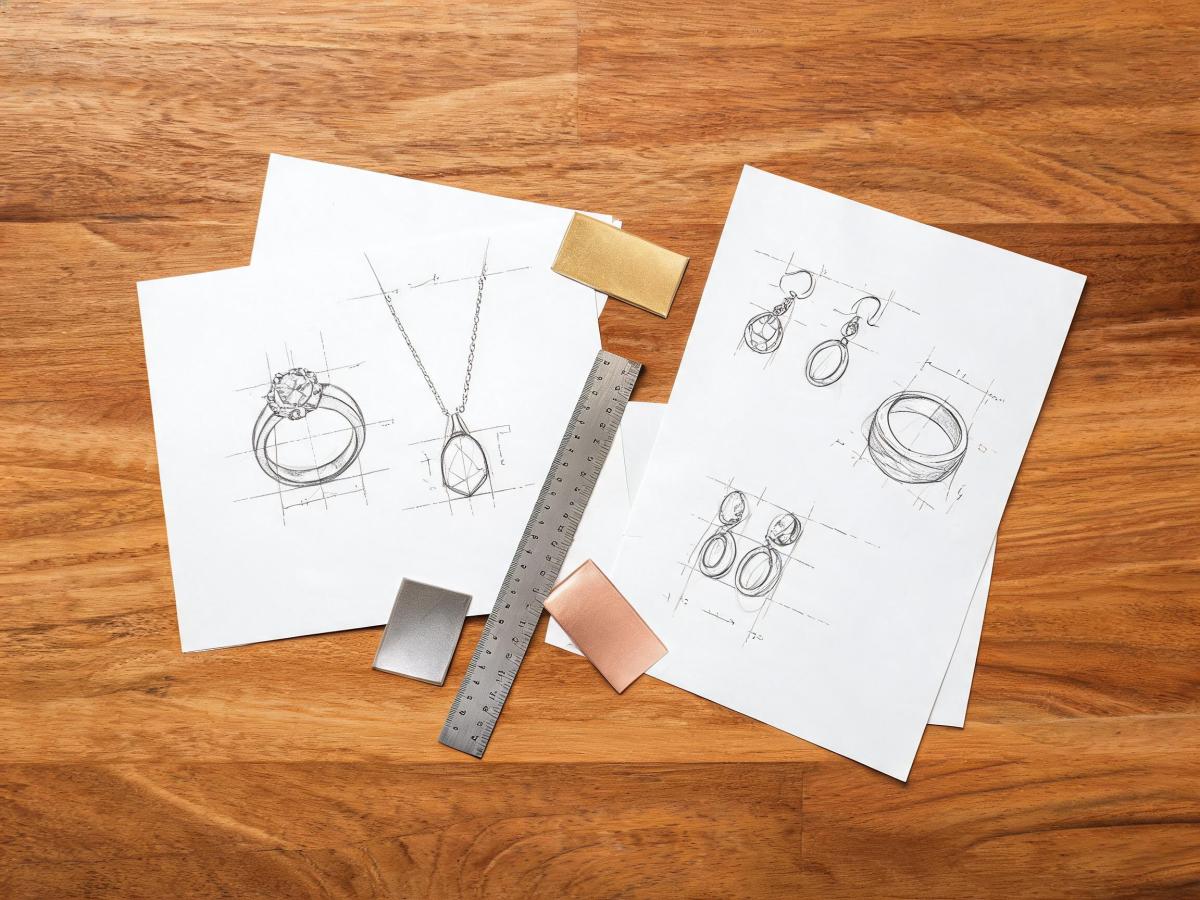
For more complex designs, the OEM may provide a 2D technical drawing or a 3D digital render before moving to physical sampling. These files show precise dimensions, cross-sections, and assembly details that are hard to convey in a hand sketch. Take time to review these digital files closely, as changes at this stage are far faster and lower cost than changes made after a physical sample is cast.
You should expect one to two rounds of digital refinement for most custom designs, depending on complexity. Use this phase to confirm small details like engraving placement, prong count, or chain link shape, rather than saving those checks for the physical sample stage.
The Physical Sampling Process and What to Review
After digital designs are approved, the OEM will produce a physical sample using the same materials and production methods intended for the full order. This sample is not a rough prototype—it is a representative piece that should match the final product you will receive in bulk.
Sampling timelines vary by design complexity, with simpler pieces like plain bands or basic pendants taking less time than pieces with multiple stones, moving parts, or intricate hand-finishing. The team will share an expected timeline upfront so you can plan your product launch or restock schedule accordingly.
When you receive your sample, evaluate it systematically instead of relying on first impression alone. Check for structural integrity, finish consistency, stone security, and accurate sizing. Wear the piece for a few days if possible, to test comfort and how it holds up to regular movement. Pay special attention to details that will be noticeable to your customers, like sharp edges, uneven plating, or loose settings.
Final Sample Approval and Next Steps
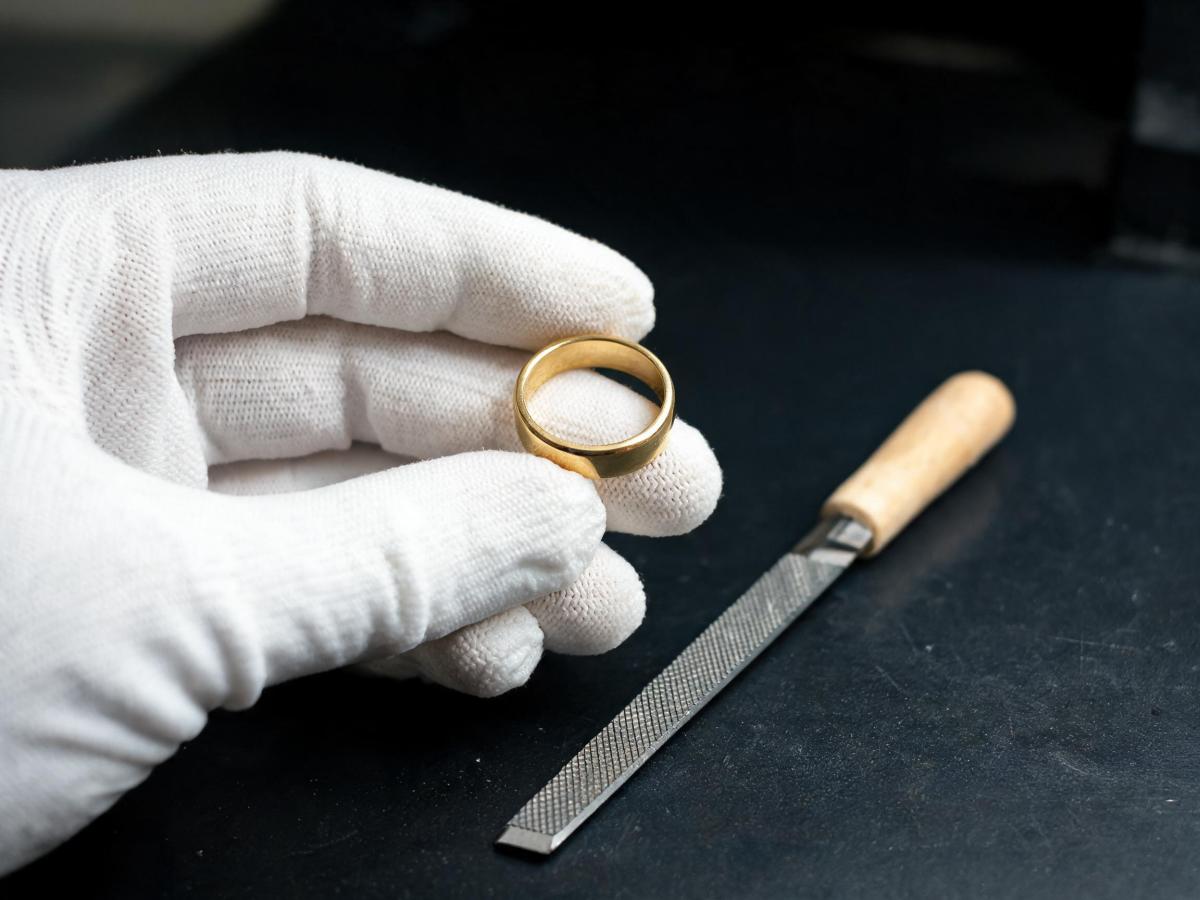
Once you are satisfied with the sample, formal approval locks in the design specification for full production. This approved sample becomes the reference standard that the quality control team will use to check every piece in your bulk order, so it is critical that you sign off only when all details meet your expectations.
If you request changes after approval, they may require new tooling, additional sampling, or adjusted production timelines. That is why it is worth taking extra time during the sample review phase to test fit, finish, and functionality thoroughly, rather than rushing to approve and making changes later.
Keep your approved sample stored in a safe, labeled place so you can reference it for future reorders or to compare against incoming bulk shipments. Having a physical reference on hand makes quality checks faster and reduces miscommunication if you work with the same OEM on repeat designs.
For brands building a full collection, you can use the sampling phase to test how different pieces work together visually before committing to full runs of every design. Adjust metal tones, stone sizes, or chain lengths across your collection during sampling to create a cohesive lineup that resonates with your target customer.
Custom OEM design is a collaborative process, not a one-way submission. The more context and clear feedback you provide at each stage, the more closely the final sample will match your original vision. By preparing a detailed brief, engaging with feasibility feedback, and reviewing samples systematically, you can build a productive long-term partnership with your OEM and bring unique, high-quality jewelry to your customers.
Turn the idea into your own design
* Designs are private until you share them in the Showroom.
Images are for illustration only.