How to Build Your First Jewelry Capsule Collection as a Boutique Owner
November 20, 2026
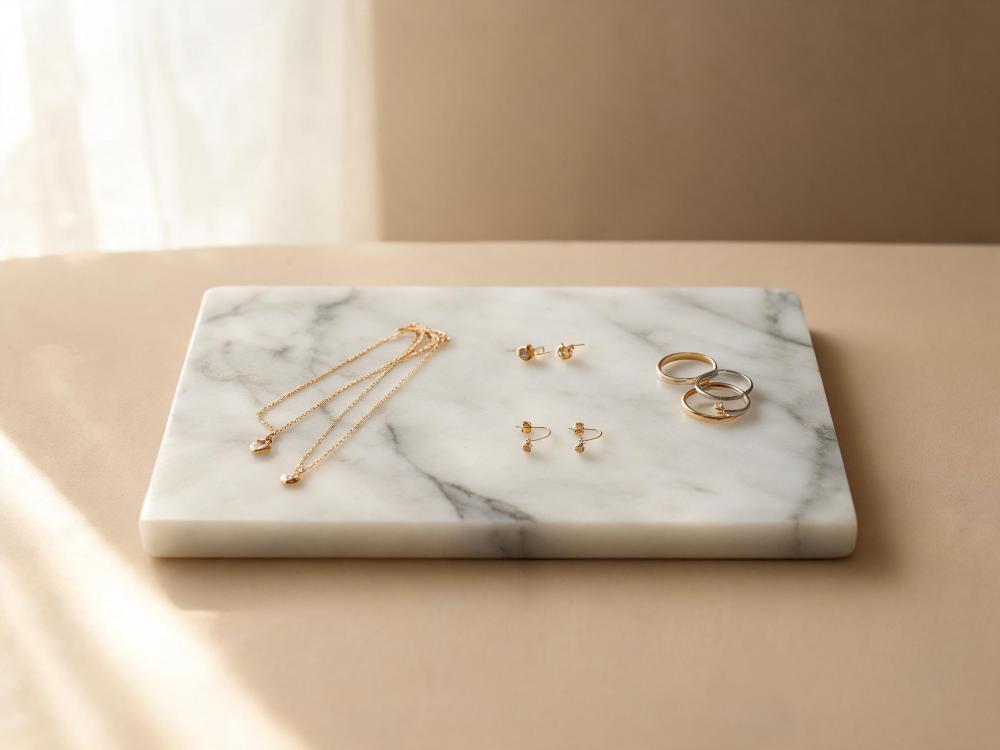
For boutique owners, a first capsule collection is one of the smartest ways to move from reselling other brands to building a recognizable in-house line. Unlike a full seasonal launch, a capsule keeps SKUs tight, reduces inventory risk, and lets you test what your customers actually buy before scaling. Done well, it also creates a reason for repeat visits and social media shareability that generic assortments cannot match.
The key is to design the line with manufacturing realities in mind from day one, not just aesthetic preferences. Working with an OEM partner becomes far smoother when you understand how your choices shape MOQs, lead times, and final quality. Below is a practical framework for building that first collection without overextending your budget or your schedule.
Start with a narrow, customer-aligned concept
A strong capsule is not a random set of pretty pieces; it is a tightly edited group tied to a clear customer need. Begin by looking at your existing sales data, not just your personal taste. Identify which price points, silhouettes, and materials already sell fastest in your boutique, then build around those patterns. If your customers reach for dainty gold everyday pieces, a capsule of bold statement silver rings will miss the mark no matter how well made.
Limit your initial concept to one core theme, one primary metal finish, and one or two material stories. This constraint is not a limitation—it is what makes a capsule feel intentional and keeps production costs predictable. A theme can be as simple as everyday layering essentials, waterproof beach jewelry, or minimal pearl occasion pieces. What matters is that a customer can look at the full group and immediately understand who it is for and when to wear it.
Choose 5 to 7 core pieces that work together
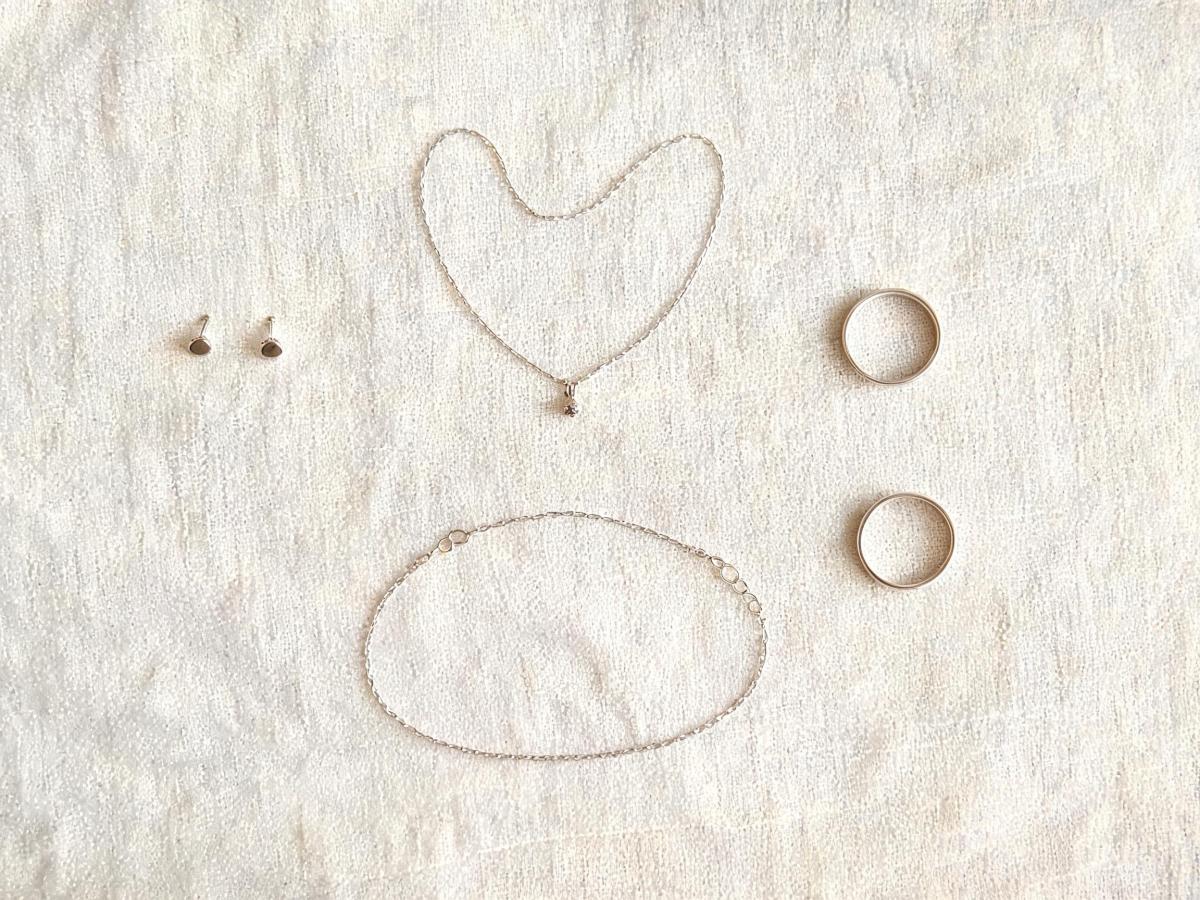
A first capsule works best at 5 to 7 SKUs. Fewer than that and the line feels too thin to support merchandising; more than that and you spread your budget and quality checks too thin across designs. The goal is to create pieces that can be worn alone, layered together, or mixed with items your customers already own.
Build a balanced assortment
Plan your line so it includes a mix of entry-level, mid-tier, and one or two hero pieces. A typical balanced structure might include:
- Two everyday earrings (one stud, one slightly larger style)
- Two necklaces (one short layering chain, one pendant style)
- One ring style offered in two finishes or sizes
- One hero piece, such as a bracelet or statement pendant, that anchors the collection
When selecting silhouettes, prioritize designs that share components where possible. For example, using the same chain type for two necklaces or the same ear post for multiple earring styles can lower per-piece costs, simplify sampling, and reduce MOQ pressure. Your OEM partner can help you spot these shared-component opportunities early in the design process, so bring rough sketches or reference images before you finalize the line.
Set your material and pricing strategy before sampling
Material choices determine almost everything else in production: cost, durability, plating wear time, minimum order quantities, and target retail price. Decide your material tier early, and do not change direction mid-process, as that will reset sampling timelines and cost estimates.
Common material tiers for boutique capsules include brass with premium plating, sterling silver, gold-filled, and solid gold. Each tier carries a different price point and customer expectation. Brass with thick plating works well for fashion-forward capsules at accessible price points, while sterling silver or gold-filled suit everyday wear lines positioned for longer product life cycles.
Work backward from your target retail price to land on the right material. Most boutiques apply a standard markup to landed cost, so if a piece’s retail ceiling is fixed by your customer base, you will know exactly how much you can spend on materials and production. Share these targets openly with your supplier; they can suggest material or construction tweaks that keep quality high while staying inside your budget.
Run a tight sampling process to de-risk the launch
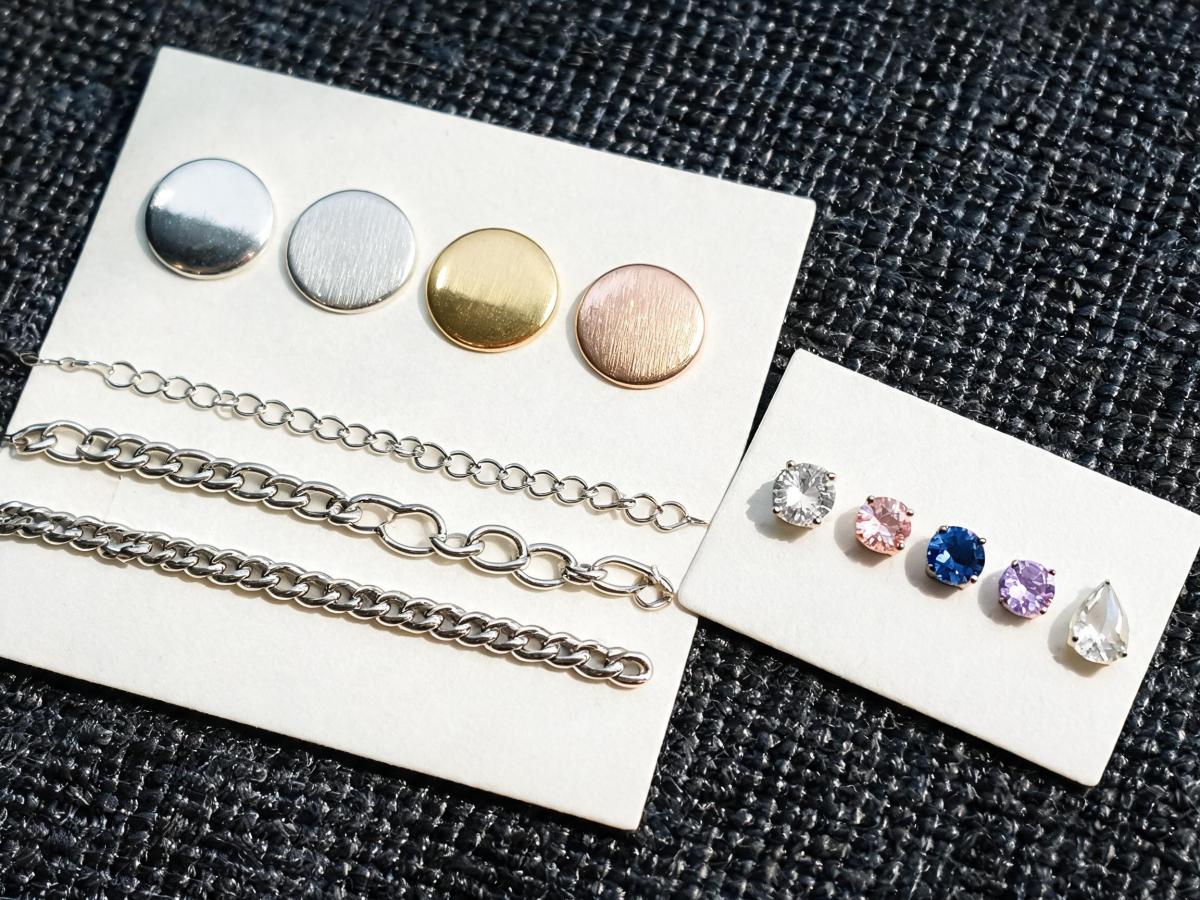
Never place a full production order on a sketch or a reference photo alone. Sampling exists to catch fit issues, plating mismatches, size problems, and wearability flaws before you commit to larger quantities. For a 5 to 7 piece capsule, plan on sampling every design, and budget for one round of revisions as a normal part of the process, not a sign of a bad supplier.
When evaluating samples, test them the way your customers will wear them. Put earrings on and check post length and weight. Wear necklaces through a full day to see if the chain twists or the clasp digs. Stack rings next to each other to confirm they sit comfortably together. Check plating color across every piece in the capsule; a slight gold tone mismatch between a ring and a necklace will stand out once the pieces are displayed together in store.
Keep revision notes specific and factual. Instead of saying it feels cheap, note chain feels too thin for the pendant weight; suggest 0.5mm thicker. Clear, specific feedback cuts down on revision rounds and gets you to a final sample faster. Once you approve a sample, it becomes the production reference standard for quality, sizing, and finish.
Plan your first run with room to reorder fast
For a first capsule, resist the urge to order deep on every SKU. Use MOQs as your baseline, then add a small buffer only for the 2 to 3 styles you are most confident will sell, based on your existing customer data. It is almost always better to sell out of a few pieces and reorder quickly than to sit on excess inventory of designs that do not land.
Before you launch, confirm with your supplier which components are standard stock items and which are custom made. Standard components mean faster reorder lead times; custom components mean you should plan for longer turnaround on restocks. Knowing this ahead of time lets you set customer expectations clearly if a style sells out.
Merchandise the capsule together in store and online, and track sell-through per SKU over the first 30 to 60 days. The data from that first run will tell you which pieces to expand, which to tweak, and which to drop for your next capsule release. Over time, you will build an in-house line that is rooted in real customer behavior, not guesswork.
Turn the idea into your own design
* Designs are private until you share them in the Showroom.
Images are for illustration only.