
How Jewelry Prototypes Reduce Order Risk for Buyers
October 5, 2026

For boutique buyers and jewelry brand owners, placing a bulk order always carries inherent risk. A design that looks perfect on a 2D render can feel wrong in hand, a stone setting can sit unevenly, or a chain length can throw off the entire wearability of a piece. Sampling is the industry-standard guardrail against these missteps, giving you a tangible, testable version of your product before you invest in full-scale production.
Many new buyers skip sampling to save time or upfront cost, but that choice almost always leads to larger expenses later: rework, delayed launches, or stock that does not sell. A prototype is not just a physical sample — it is a verification tool that checks every variable of your order against your expectations. Below, we break down exactly how sampling de-risks your jewelry order and how to use the process effectively.
Validate Design and Wearability Beyond Renders
2D design files and 3D renders are useful for conceptualizing a piece, but they cannot communicate weight, balance, or how the jewelry sits on the body. A ring that looks sleek on screen might dig into the adjacent finger, a pendant might flip forward constantly, or a pair of earrings might pull too heavily on the earlobe for all-day wear. These are flaws you can only identify by holding and wearing the actual piece.

Sampling also lets you test proportional details that are hard to judge on screen: the depth of an engraving, the size of a bail relative to a chain, or the visibility of a stone from a side angle. Even minor proportional shifts can change the entire aesthetic of a piece, and catching those shifts early prevents you from receiving hundreds of units that do not match your brand vision.
For pieces with moving parts — hinged hoops, charm bracelets, adjustable rings — sampling is even more critical. Renders cannot show how smoothly a clasp opens, how securely a latch closes, or how charms hang when the bracelet is in motion. Testing these functional elements at the prototype stage ensures your final product is both beautiful and usable for your customers.
Verify Materials, Plating, and Finish Quality
Material appearance can vary dramatically between digital representations and physical goods. A rose gold plating can lean too pink or too copper, a brushed finish can be too coarse or too subtle, and a gemstone shade can differ significantly from the reference photo you provided. Sampling lets you approve the exact material combination before it is applied to your entire order.
Common material and finish checks to run on your prototype include:
- Plating color consistency across different metal components of the same piece
- Stone color, clarity, and setting height relative to the metal base
- Texture accuracy — whether hammered, sandblasted, or polished matches your reference
- Chain link size and weight compared to the pendant or charm it supports
- Engraving or stamping depth, readability, and placement precision
It is also an opportunity to test durability basics. You can check for sharp edges that might snag clothing, plating that rubs off with regular handling, or settings that feel loose and might lose a stone over time. Catching these quality issues at the sample stage means your supplier can adjust their process before full production, reducing defect rates in your final shipment.
Align Expectations With Your Supplier Before Production
Miscommunication is one of the biggest causes of order errors in jewelry manufacturing. What you call a "medium thickness" chain might be very different from what your supplier’s production team considers medium. A prototype eliminates that ambiguity by creating a shared physical reference point that both you and the factory can refer to throughout the order.
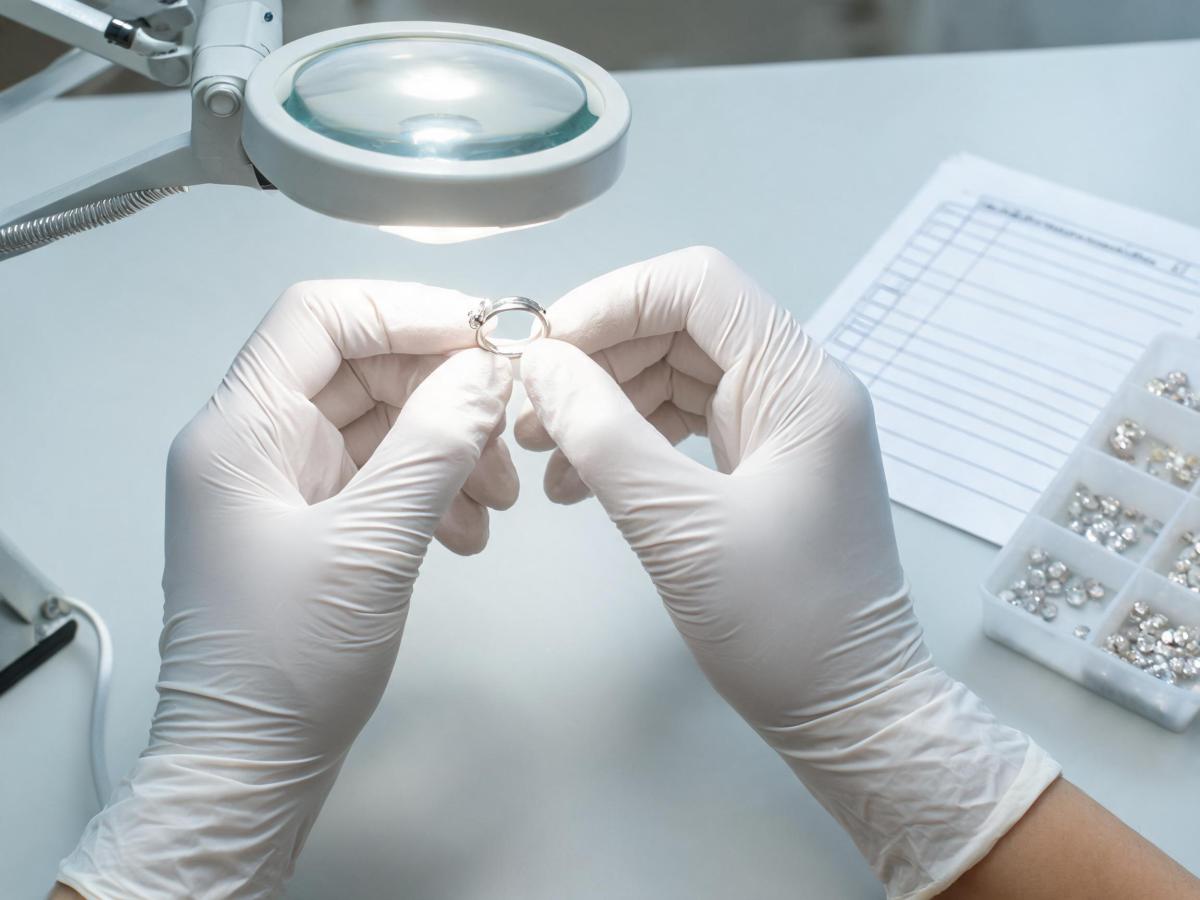
When you approve a sample, you are not just approving the piece itself — you are setting the benchmark for every unit in your bulk order. Your supplier can use that approved sample as a reference on the production floor, so every worker has a clear standard to meet. This is especially important for private label orders, where consistent branding and quality are core to your customer experience.
Sampling also reveals how your supplier communicates and problem-solves. If a factory delivers a sample with clear flaws and no explanation, that is a signal you may face similar issues during production. If they note the flaws, explain what caused them, and present a revised sample quickly, you can have more confidence in their ability to deliver a solid bulk order.
How to Get the Most Value From Your Sampling Process
To make sampling work for you, approach the process with clear, specific feedback rather than vague comments. Instead of saying "the chain is too thin," measure the link width and share that exact number. Instead of saying "the color is off," compare it to a physical reference you both have access to, or specify the exact plating tone you want using common industry descriptions.
Keep in mind that most suppliers charge for sampling, and that cost reflects the labor of creating a single unit outside of regular production flow. Sample lead times are also often shorter than bulk production, but they still require time for casting, setting, plating, and finishing. Rushing a sample too much can lead to the same quality issues you are trying to avoid.
Once you receive a sample, test it thoroughly. Wear it for multiple days if it is a ring, bracelet, or necklace. Check how it looks in natural light, office light, and evening light. Ask a few people with different body types or skin tones to try it on, if your customer base is broad. The more you test at this stage, the fewer surprises you will have when your bulk order arrives.
Finally, always confirm in writing that your approved sample is the standard for the bulk order. Note any specific adjustments made during the sampling process, so there is a clear paper trail of what you expect. This protects both you and your supplier, and ensures everyone is working toward the same end product.
Images are for illustration only.