
Why Sampling Matters: Prototypes De-Risk Your Jewelry Order
October 5, 2026
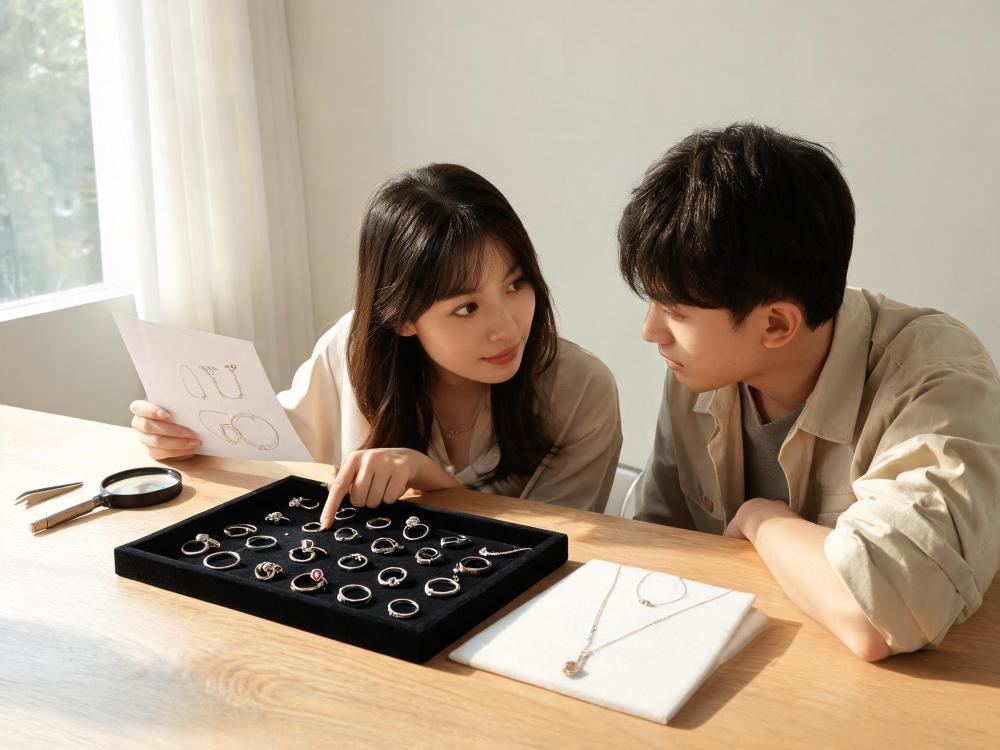
When placing a custom jewelry order, it can be tempting to skip sampling to save time or reduce upfront costs. But a prototype is far more than a preliminary model—it is a low-stakes test of every decision that goes into your final piece, from material texture to clasp function. Skipping this step often leads to costly full-production reworks, delayed launch timelines, and inventory that does not match your brand standards. Sampling aligns expectations between you and your manufacturer, and it catches issues that no 2D design file or digital render can fully predict.
What a Jewelry Sample Actually Tests
A prototype is not just a visual replica of your design. It is a functional test of every element that will make up your final production pieces. Many buyers assume sampling only checks aesthetics, but it validates critical details that impact wearability and perceived value.
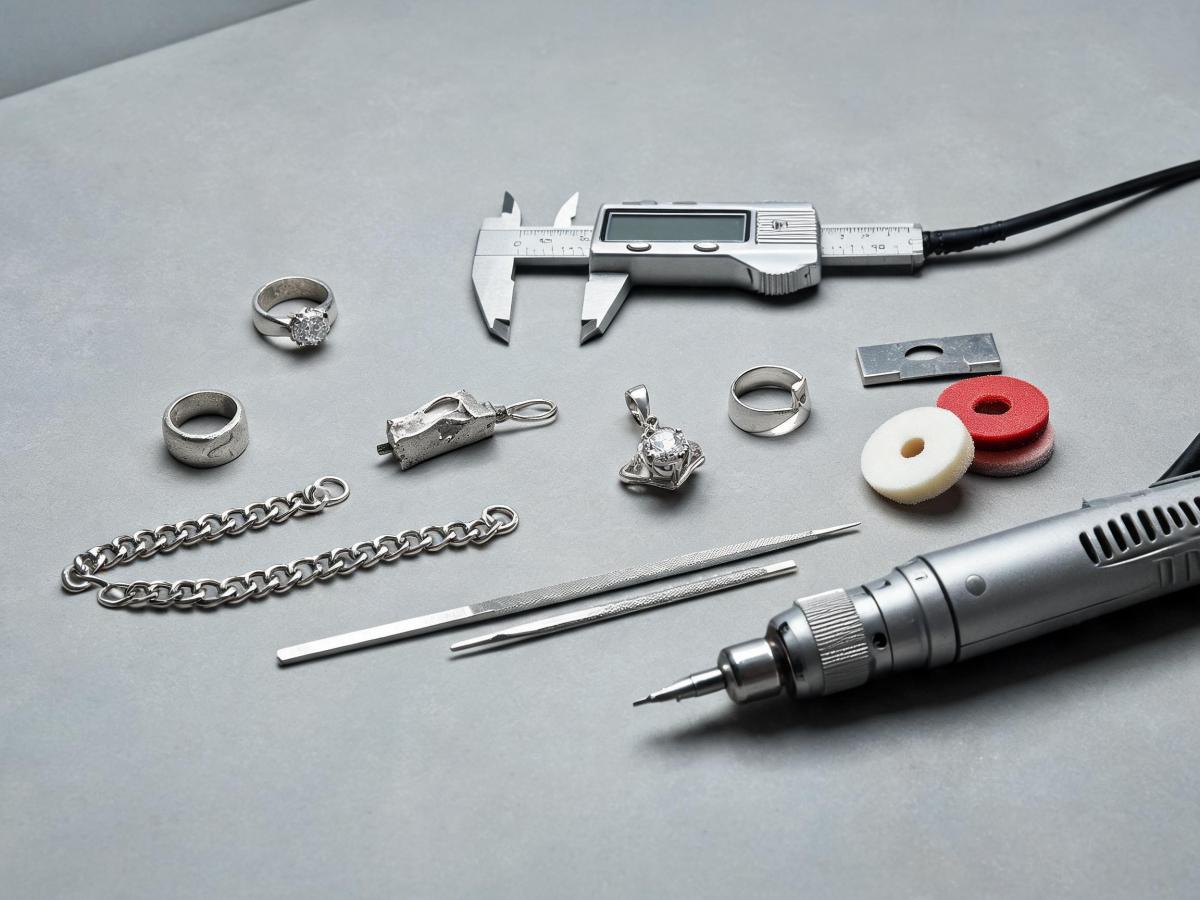
Common elements evaluated during sampling include:
- Material match: How the base metal, gemstone, or bead looks in natural and indoor light, and how it feels against skin
- Structural integrity: Clasp security, chain link strength, stone setting tightness, and resistance to everyday bending or snagging
- Fit and proportion: Ring sizing accuracy, necklace drop length, earring weight, and bracelet wearability
- Plating and finish: Color consistency, surface smoothness, and how texture (polished, matte, brushed) translates from a digital file to a physical piece
- Brand details: Engraving depth, logo placement, and private label tag size and positioning
Even small discrepancies, like a 0.5mm difference in band width or a slightly warmer gold tone, can change how a piece sells. Sampling lets you adjust these details before committing to hundreds or thousands of units.
The Real Costs of Skipping Sampling
Buyers sometimes skip prototypes because they see sample fees as an unnecessary expense, or they assume a digital render is accurate enough to move straight to production. But the costs of skipping sampling almost always outweigh the upfront savings.
First, full-production reworks are exponentially more expensive than adjusting a single prototype. If a stone setting is too loose and causes stones to fall out, or if a plating color does not match your brand palette, fixing the issue across an entire run may require remaking pieces from scratch. That means wasted materials, wasted labor, and extended timelines that can cause you to miss seasonal launch windows or pop-up event deadlines.
Second, inconsistent quality erodes customer trust. If a batch of rings arrives with sizing that runs half a size off, or if earrings are heavier than expected and cause discomfort, you will face returns, negative reviews, and customers who do not purchase from your brand again. For boutique businesses, word of mouth and repeat customers drive most growth, so a single bad production run can have long-term revenue impacts.
Finally, misalignment between you and your supplier is far harder to resolve after full production. A sample gives you a tangible reference point to discuss changes, so there is no ambiguity about what you expect. Without that reference, you may end up with a final product that matches the supplier’s interpretation of your design, but not your own.
How to Get the Most Out of Your Sampling Process
Sampling only de-risks your order if you approach it strategically. Simply requesting a prototype and approving it without thorough evaluation leaves gaps that can still show up in production. Follow these actionable steps to make your sampling process work for you.
First, share all design details upfront, even ones that seem minor. Include reference photos of finishes you like, exact material specifications, sizing requirements, and any functional needs (like water resistance for everyday wear pieces). The more context your supplier has, the closer the first sample will be to your vision, reducing the number of revision rounds you need.
Second, test samples under real-world conditions. Wear a ring sample while washing dishes, working at a desk, and exercising to check for tarnish, snagging, or discomfort. Hold necklace samples up to different necklines to confirm the drop length works for your target customer. Test earring samples for a full day to make sure the weight is comfortable for extended wear. These tests reveal issues that a quick visual inspection will miss.
Third, document all feedback clearly and specifically. Instead of saying “the gold is too yellow,” say “the plating color is warmer than our brand’s standard cool 14k gold—please adjust to match the swatch we sent in our initial brief.” Instead of saying “the clasp feels cheap,” say “the spring ring clasp is too small to fasten easily, and the metal feels thin; please upgrade to a 5mm lobster claw clasp.” Specific feedback removes guesswork and leads to faster, more accurate revisions.
Finally, sign off on a final sample before production begins, and keep that sample on file for reference. This gives both you and your supplier a clear benchmark for quality, so you can compare production pieces against the approved prototype later.
Sampling as a Long-Term Partnership Tool
Beyond de-risking a single order, sampling builds a shared language between you and your supplier. When you work through prototypes together, your supplier learns your brand’s specific quality standards, design preferences, and target customer needs. Over time, this means first samples get closer to your vision, revision rounds get shorter, and production runs become more predictable.
For buyers who regularly release new collections, a strong sampling rhythm also speeds up launch timelines. Once your supplier understands your brand’s baseline expectations, they can flag potential issues early in the design phase, before you even request a prototype. This proactive problem-solving saves you both time and money across every order.
Sampling is not a bureaucratic step or an unnecessary cost—it is an investment in the success of your jewelry line. By catching issues early, aligning expectations, and building a stronger working relationship with your supplier, prototypes ensure your final production pieces match the quality, fit, and aesthetic your customers expect.
Images are for illustration only.