
How Jewelry Sampling De-Risks Every Custom Order
October 5, 2026
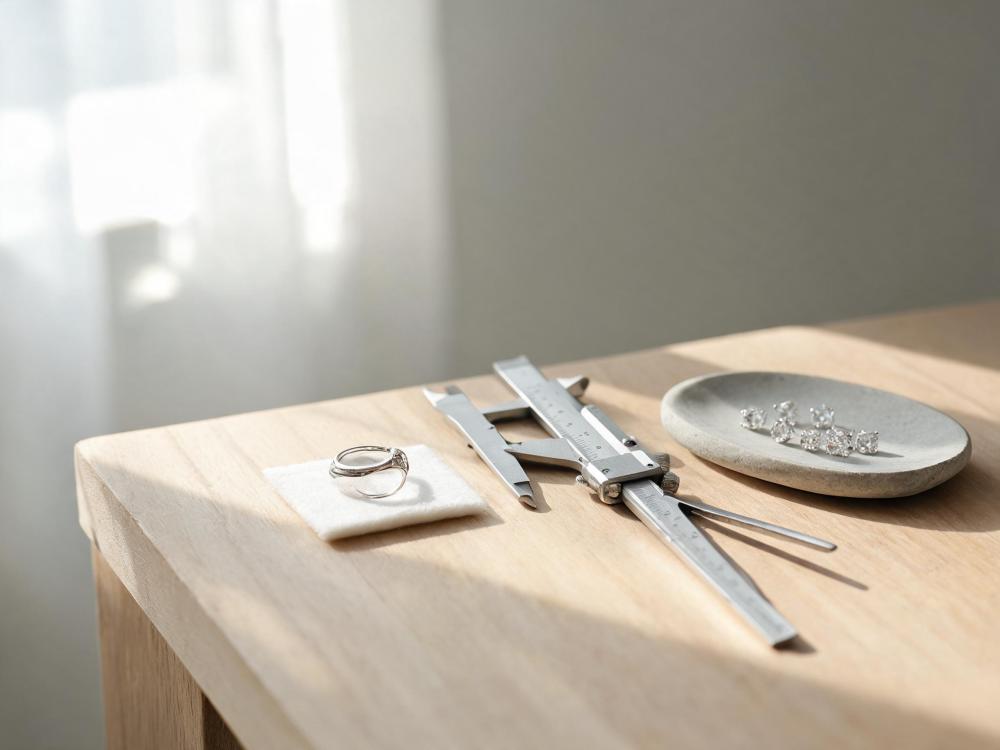
For boutique buyers and jewelry brand owners, placing a custom production order always carries inherent uncertainty. Will the stone setting sit flush? Does the plating match your brand’s exact warm gold tone? Will the chain weight feel substantial enough for your target price point? Sampling eliminates guesswork by turning a digital design or sketch into a physical, tangible piece you can evaluate, test, and adjust before committing to full-volume production.
Many new buyers view sampling as an optional, added cost to skip. Experienced operators see it for what it is: the lowest-cost insurance policy you can buy for a jewelry order. Below, we break down exactly how sampling de-risks your order, what to evaluate when you receive a prototype, and common missteps to avoid.
Catch design and fit flaws before production scales
A 3D render or technical drawing can only communicate so much. Issues that are invisible on a screen—sharp edges on a ring shank, a pendant that tilts when worn, an earring post that sits at the wrong angle—become immediately obvious when you hold a physical sample. Catching these issues at the prototype stage lets your supplier adjust molds, tweak proportions, or rework construction before tooling is finalized for mass production.
Fixing a design flaw mid-production run, by contrast, often requires scrapping partially completed pieces, re-cutting molds, and pushing back delivery timelines by weeks. Sampling catches these issues early, when adjustments take days instead of weeks and incur minimal added cost.

Key design checks to run on every sample
- Wearability: Test the piece for extended wear to check for pinching, sharp edges, or weight discomfort
- Proportions: Compare stone size, chain thickness, and overall dimensions against your original brief
- Functionality: Test clasps, earring backs, hinge mechanisms, and adjustable components for smooth operation
- Visual balance: Hold the piece at arm’s length and check for lopsidedness or uneven stone placement
Verify material and finish accuracy
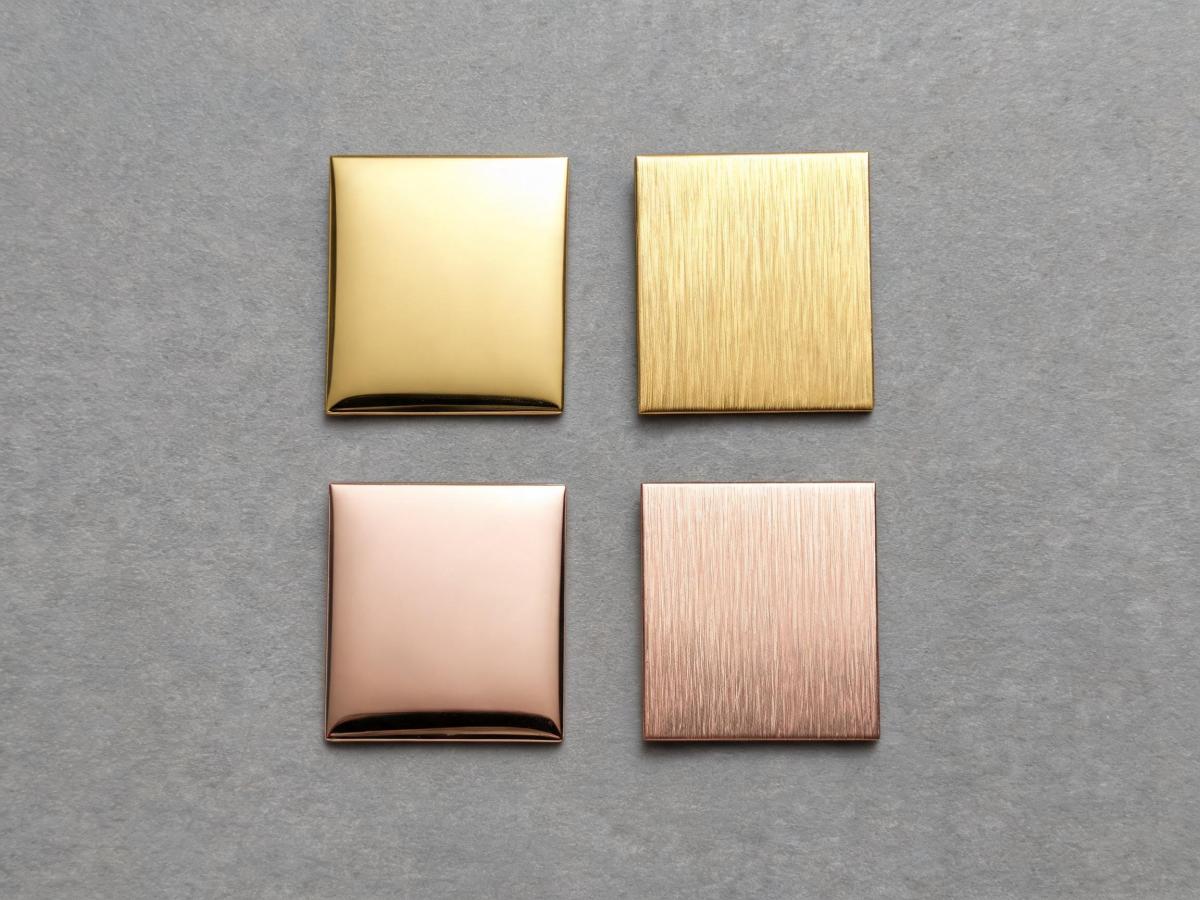
Material descriptions on a purchase order leave room for interpretation. “18k gold plating” can cover a range of shades from pale yellow to deep, rich gold, depending on the plating bath composition and thickness. “Natural moonstone” can vary widely in body color, adularescence, and inclusion level. A sample lets you confirm that the material and finish match your exact expectations, not just a generic industry term.
Sampling also lets you test finish durability. You can run basic wear tests—exposing the piece to water, lotion, or regular handling—to see if plating tarnishes, enamel chips, or stones loosen faster than expected. If the finish fails your standards at the sample stage, your supplier can adjust plating thickness, switch to a different enamel formula, or source a different stone grade before full production begins.
Align on quality benchmarks for full production
Quality expectations are one of the most common sources of misalignment between buyers and suppliers. What you consider a minor surface scratch might be a reject for your supplier, and vice versa. A signed-off sample acts as a tangible quality standard that both parties can reference throughout production.
When you approve a sample, you are not just approving a single design—you are setting the bar for every piece in the production run. Your quality control team and the supplier’s QC team can both measure finished pieces against the approved prototype, reducing disputes over what counts as acceptable quality. This alignment is especially critical for orders with intricate details, like hand-set stones, hand-engraving, or enamel work, where minor variations can have a big impact on the final look.
How to use your approved sample as a quality reference
Store your approved sample in a labeled, sealed bag to prevent tarnish or damage. Mark any intentional minor variations you are willing to accept, and note any flaws that would count as a reject. Share clear photos of the approved sample from multiple angles with your supplier’s account manager, and reference the sample number on every production order to eliminate confusion.
Avoid costly sampling missteps
Sampling only de-risks your order if you do it correctly. Many new buyers make small mistakes that undermine the value of the prototype process. First, never approve a sample based on photos alone. Lighting, camera angle, and screen calibration can drastically alter how a piece looks in images. Always request a physical sample to evaluate in person, under both natural and indoor light.
Second, avoid making incremental, one-off changes across multiple sample rounds without updating your written design brief. If you adjust the stone size on round one, the chain length on round two, and the plating shade on round three, you risk losing track of the final approved spec. Update your brief after every round of revisions so both you and your supplier have a single, current document to reference.
Finally, do not skip sampling for repeat orders of a design you have ordered before. Material batches, plating baths, and tooling can drift between production runs. Ordering a small confirmation sample for reorders ensures the new run matches the quality and spec of your original approved piece, even if months or years have passed since your last order.
Sampling adds a small amount of time and cost to the front end of your order, but it prevents far larger costs, delays, and quality issues down the line. For any custom jewelry order—whether it is your first piece or a reorder of a bestseller—treating sampling as a non-negotiable step is the most reliable way to get the exact product you expect, on schedule and within budget.
Images are for illustration only.