
Why Jewelry Sampling Cuts Risk Before Your Full Order Runs
October 5, 2026

For boutique jewelry buyers, placing a full production order without first approving a sample is one of the costliest missteps in the sourcing process. A prototype is not a courtesy step or a formality; it is a tangible check that every detail of your design, material, and finish matches what you expect to sell in your store. Even minor discrepancies — a prong that sits too high, a plating shade that leans too warm, a chain weight that feels flimsy — can turn a top-selling SKU into slow-moving inventory or a customer service headache. Sampling de-risks your order by turning abstract design specs into a physical piece you can hold, test, and adjust before you commit to larger volume.
What a jewelry sample actually validates
A good prototype does more than show you a rough version of your design. It confirms every functional and aesthetic choice that will carry through to full production, so you do not discover issues mid-run when corrections are far more expensive. Many buyers assume samples only check visual design, but they cover a much wider range of criteria.
- Material accuracy: Verifies the base metal, gemstone grade, pearl size, or leather cord matches your spec, not just a digital reference.
- Plating and finish: Confirms tone, texture, and surface treatment — from high polish to matte brushed — under real light, not a screen swatch.
- Construction and wearability: Tests clasp function, ring sizing, earring post thickness, and how the piece sits when worn.
- Branding details: Checks engraved logos, tag placement, or custom hallmark depth so your private label looks intentional, not rushed.
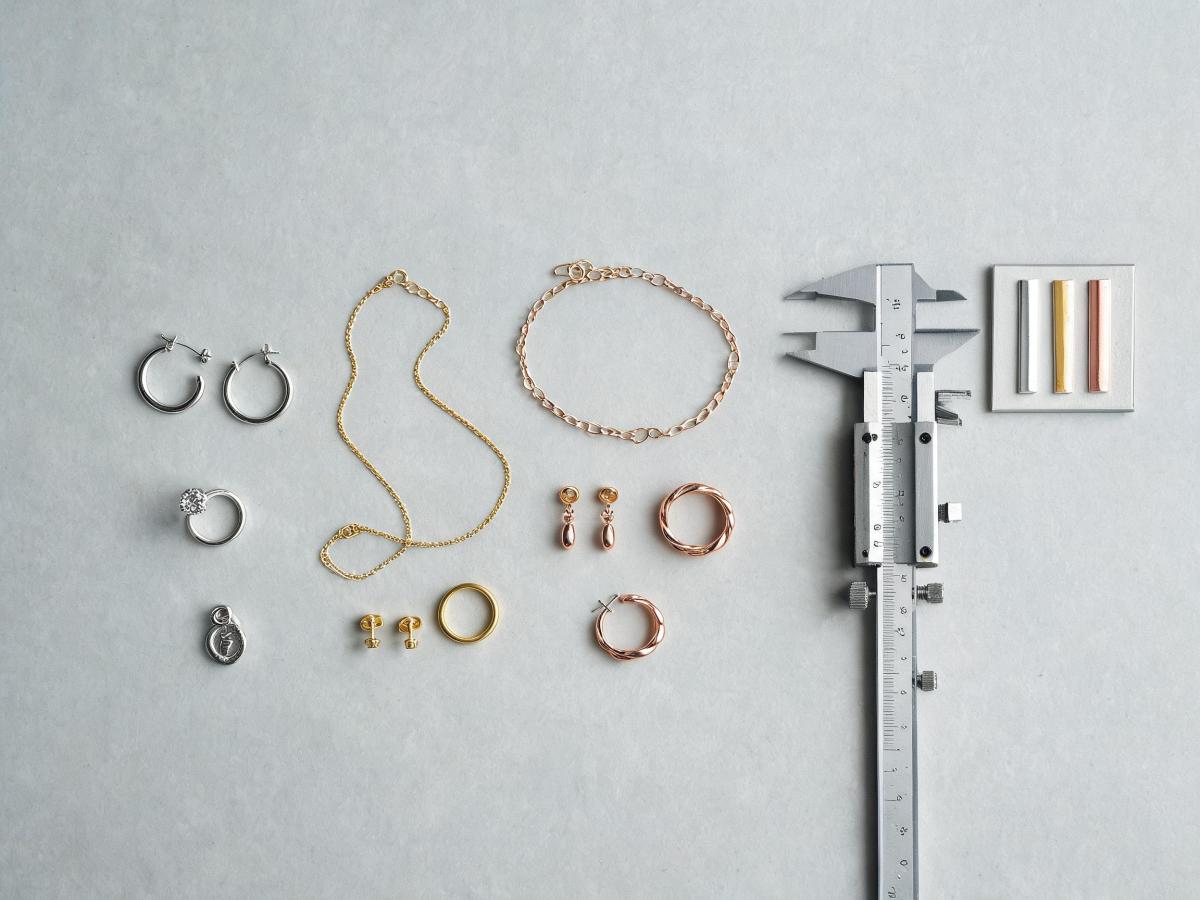
Because samples are made using the same production tools and materials that will be used for your full order, they give you a far more accurate read than 3D renders or digital mockups. A render cannot show you how heavy a pendant feels on a 16-inch chain, or whether an enamel color shifts between indoor and natural light. Those small, sensory details are exactly what drive repeat purchases for your customers — and exactly what sampling catches before you scale.
Common order risks sampling eliminates
Most production delays and reworks trace back to assumptions that were never tested with a physical sample. Buyers often assume a supplier will interpret a design note the same way they do, or that a material description on a spec sheet will translate directly to the finished piece. Sampling removes that guesswork by creating a shared reference point both you and your supplier can sign off on.
One of the most frequent risks is sizing and fit error. A ring that measures half a size too small across a full production run cannot be easily resold, and remaking hundreds of pieces costs far more than adjusting a single prototype. Similarly, earring posts that are too thin will bend with regular wear, while posts that are too thick will be uncomfortable for customers with standard piercings. A sample lets you test wearability on actual people before you place a larger order.
Plating mismatch is another common pain point. Gold tone can vary widely between batches, and what one supplier calls 14k gold plated may read more yellow or more rose than you expect. A sample lets you compare the finish against existing pieces in your collection, adjust the tone if needed, and lock in a standard you can reference for every future reorder. Without that reference, you may receive a full shipment that does not match the product photos you planned to use for your store.
How to use samples to streamline production
Sampling works best when you treat it as a collaborative alignment step, not a pass/fail test. The goal is to catch adjustments early, so your supplier can update their tools and specs before full production begins, and your final order arrives right the first time. There are a few straightforward practices that make the sampling process far more effective for both sides.

First, submit all your feedback in a single, organized round rather than scattered notes across multiple messages. List changes by category — fit, finish, material, branding — so the production team can update every relevant spec at once. Multiple rounds of small, uncoordinated changes add time to the sampling process and increase the chance of miscommunication.
Second, keep your approved sample on file as a physical reference for future reorders. Even if you reorder the same SKU a year later, having the original prototype on hand lets you quickly compare new production against your original standard, and gives your supplier a clear benchmark to match. Many buyers store approved samples in labeled bags with their corresponding spec sheets, so there is never ambiguity about what a reorder should look like.
Third, plan sampling into your order timeline from the start. Rushing sampling to hit a launch date almost always leads to missed details that cause bigger delays later. Build in enough time for at least one revision round, especially for fully custom designs or pieces with complex construction like stone settings or layered enamel. A few extra days in sampling can save you weeks of rework down the line.
When sampling is non-negotiable
While sampling is valuable for every order, there are scenarios where skipping it is almost guaranteed to create issues. Fully custom designs, pieces with unusual stone cuts or material combinations, and orders intended for a major launch or holiday drop all benefit from extra sampling rigor. If a design has never been produced before, a prototype is the only way to confirm it works as intended before you invest in larger volume.
Private label orders also require careful sampling, because your branding is part of your product identity. A logo that is engraved too deep can look cheap, while one that is too faint will be invisible to customers. Sampling lets you test different engraving depths, tag sizes, and placement options so your branding feels polished and on-brand across every piece.
At the end of the day, sampling is an investment in order accuracy, not an added cost. It gives you confidence in your final product, reduces waste from misaligned production, and ensures the pieces you receive are the same ones you are excited to sell to your customers. Taking the time to approve a physical prototype before full production is one of the simplest, most effective ways to de-risk every jewelry order you place.
Images are for illustration only.