How Private Label and Packaging Elevate Small Jewelry Brands
October 22, 2026
For small boutique jewelry brands, standing out in a crowded market often comes down to perceived value — and that value is communicated long before a customer touches a piece of jewelry. Private label execution and packaging work together to frame your brand story, justify price points, and build repeat loyalty, even for businesses with modest order volumes. Working with an experienced OEM supplier makes this process accessible, as most handle private label application and custom packaging as standard add-on services for production orders.
Private Label Basics for Small Jewelry Lines
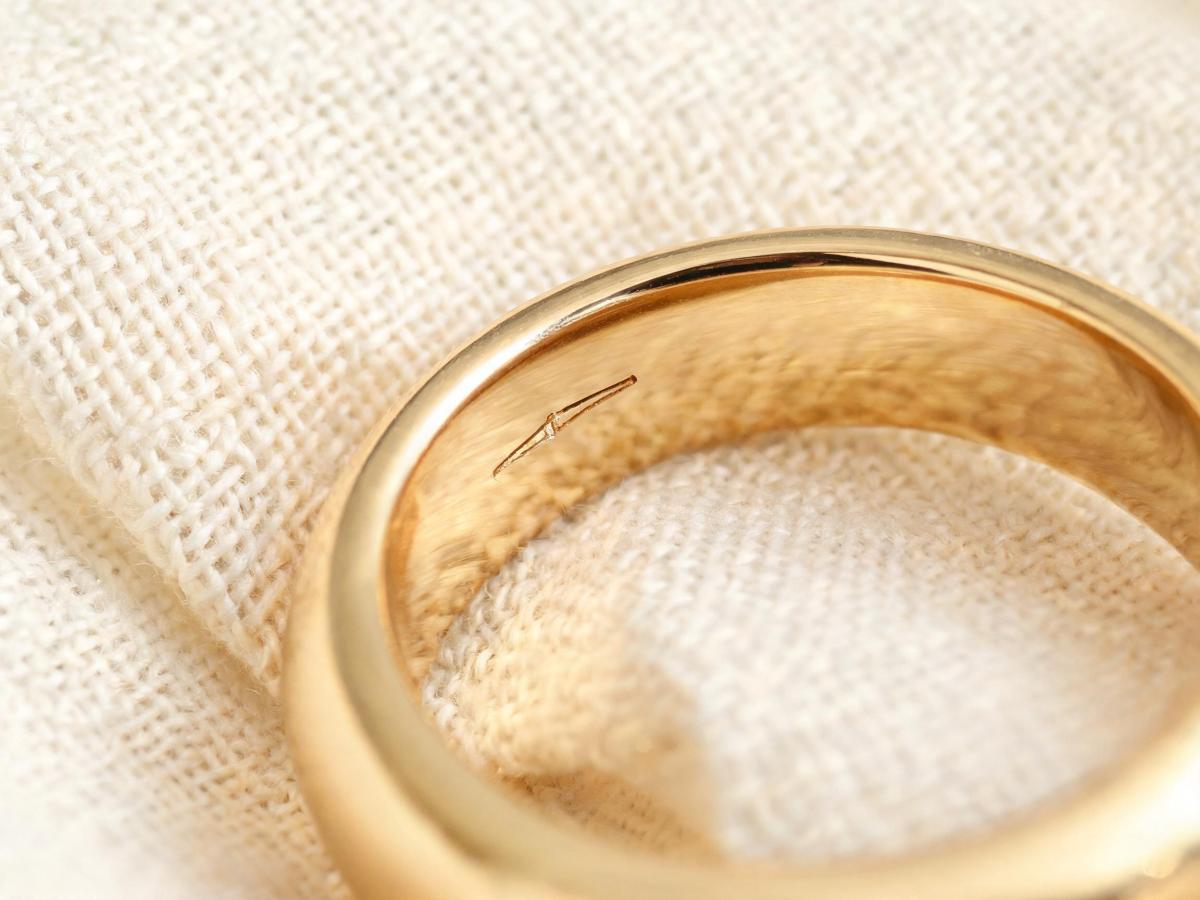
Private label for jewelry refers to the subtle, permanent marking of a piece with your brand identifier, typically placed on a hidden or low-visibility surface such as the inside of a ring band, the back of a pendant, or the clasp of a necklace. It is not the same as engraving a personal message for a customer; it is a brand asset that confirms authenticity and builds recognition over time.
Common private label application methods include laser engraving, stamping, and etching, each suited to different material types and design details. Laser engraving is the most flexible for small runs, as it does not require custom tooling and can reproduce fine lines and small logos with consistent precision across every piece. Stamping, by contrast, uses a physical metal die and works best for bold, simple marks on thicker metal components.
When planning private label placement, keep size proportional to the piece. A mark that is too large will look cheap and distract from the design; one that is too small will be unnoticeable and fail to build brand recall. Most suppliers can advise on optimal placement and size based on the specific style and metal type of your collection.
Packaging That Signals Premium Quality
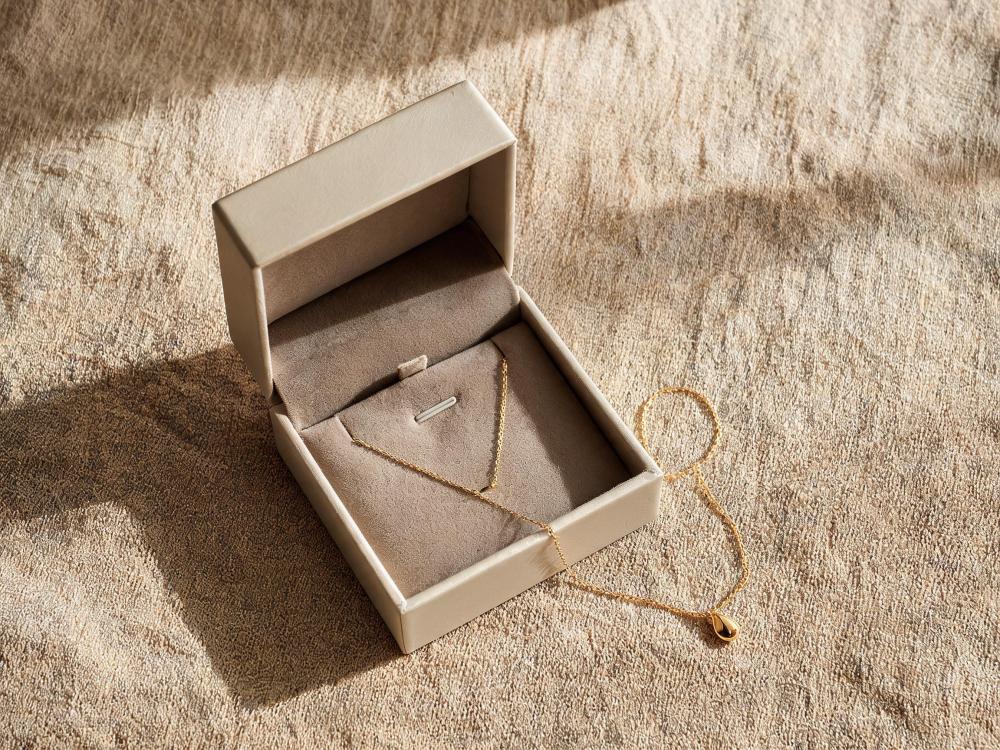
Packaging is the first physical touchpoint a customer has with your brand, and it sets expectations for the jewelry inside. Premium packaging does not have to be overly expensive or elaborate; it just needs to feel intentional, cohesive, and aligned with the price point of your collection. Even small-batch brands can achieve a high-end look by focusing on a few core elements rather than overcomplicating the unboxing experience.
Key packaging components for jewelry brands typically include:
- Primary jewelry container: a box, pouch, or velvet tray that holds the piece directly. Soft-touch finishes, linen textures, and muted neutral tones consistently read as premium across price tiers.
- Protective inner layer: foam insert, satin pillow, or cotton fill that prevents scratching and holds the piece securely in place during shipping.
- Secondary shipping package: a rigid mailer or outer box that protects the primary packaging from damage, scuffs, and moisture in transit.
- Brand collateral: care cards, thank-you notes, or polishing cloths that reinforce brand values and provide practical value to the customer.
Many OEM suppliers offer stock packaging options that can be customized with your logo via hot stamping, debossing, or printing, which is often more cost-effective for small brands than fully custom structural packaging. As order volumes grow, you can transition to fully custom die-cut shapes, specialty paper stocks, or unique closure mechanisms to further differentiate your brand.

Aligning Label and Packaging to Your Brand Identity
Consistency is what makes a small brand feel established and premium. Your private label mark, packaging materials, and collateral should all share the same visual language — from color palette to typography to tactile finish. Mismatched elements, even if each is individually nice, create a disjointed impression that reads as unplanned or low-budget.
Start by defining your core brand attributes before approaching your supplier. Are you positioning as minimalist and modern, romantic and vintage, or bold and edgy? Each direction calls for different packaging choices: a minimalist brand might opt for a plain white box with a subtle debossed logo, while a vintage-inspired line could use a velvet jewelry box in a deep jewel tone. Your private label font weight and style should match the same aesthetic, so the brand feels cohesive from the outer package to the inside of the ring.
It is also wise to request physical samples of packaging materials and a test private label engraving on a scrap metal piece before approving full production. Color and texture can look very different on screen than in person, and seeing samples ensures you avoid costly reprints or misaligned branding across your order.
Cost and MOQ Considerations for Small Orders
Many small brand owners assume private label and custom packaging require very large order volumes, but most OEM suppliers offer these services at accessible minimums for production orders. Private label engraving usually has no separate minimum beyond the standard product MOQ, as it is added as a step in the existing production process. Custom printed packaging may have higher minimums than stock packaging, but many suppliers offer low-quantity custom printing on stock box styles to accommodate smaller brands.
To keep costs reasonable on smaller runs, prioritize the elements that have the biggest impact on perceived value. A high-quality primary jewelry box with a clean logo stamp will do more to elevate your brand than an elaborate outer mailer that customers will discard immediately. You can also start with stock packaging and add custom touches incrementally as your sales volume grows, rather than investing in fully custom packaging for your first order.
Working with a single supplier for both jewelry production and packaging also streamlines the process and reduces the risk of misalignment between your private label and packaging branding. Your supplier can coordinate logo placement, color matching, and quality checks across all components, so every order arrives consistent and ready to sell under your brand name.
Images are for illustration only.