
How Private Label Jewelry and Packaging Build Premium Small Brands
November 12, 2026
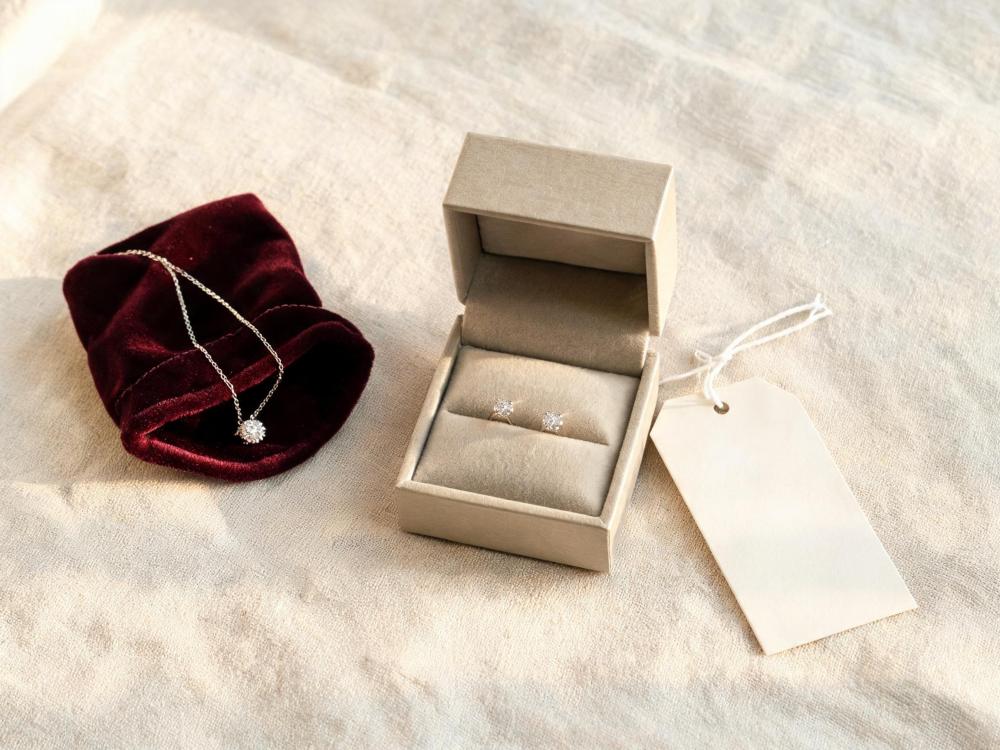
Small jewelry brands often assume premium positioning requires massive marketing budgets or celebrity partnerships. In reality, the quiet, consistent details of private label execution and packaging design do most of the heavy lifting. When sourced through an experienced OEM partner, these elements can be scaled to match small order volumes while still delivering a high-end unboxing experience that drives repeat purchases and word-of-mouth referrals.
This guide breaks down the manufacturing-side logic behind private label and packaging choices, so boutique owners and brand buyers can make decisions that align with their brand identity, order size, and budget without cutting corners on perceived quality.
Private Label Details That Signal Premium Quality
Private label jewelry does not mean slapping a logo on a generic piece. Premium positioning comes from small, intentional customizations that feel deliberate and aligned with a brand’s identity, rather than afterthoughts. Many buyers focus only on engraved logos, but there are multiple lower-investment tweaks that deliver far more perceived value.
- Custom brand tags: A small, uniquely shaped hang tag attached to each piece with a branded jump ring or silk thread feels intentional, even on lower-priced items.
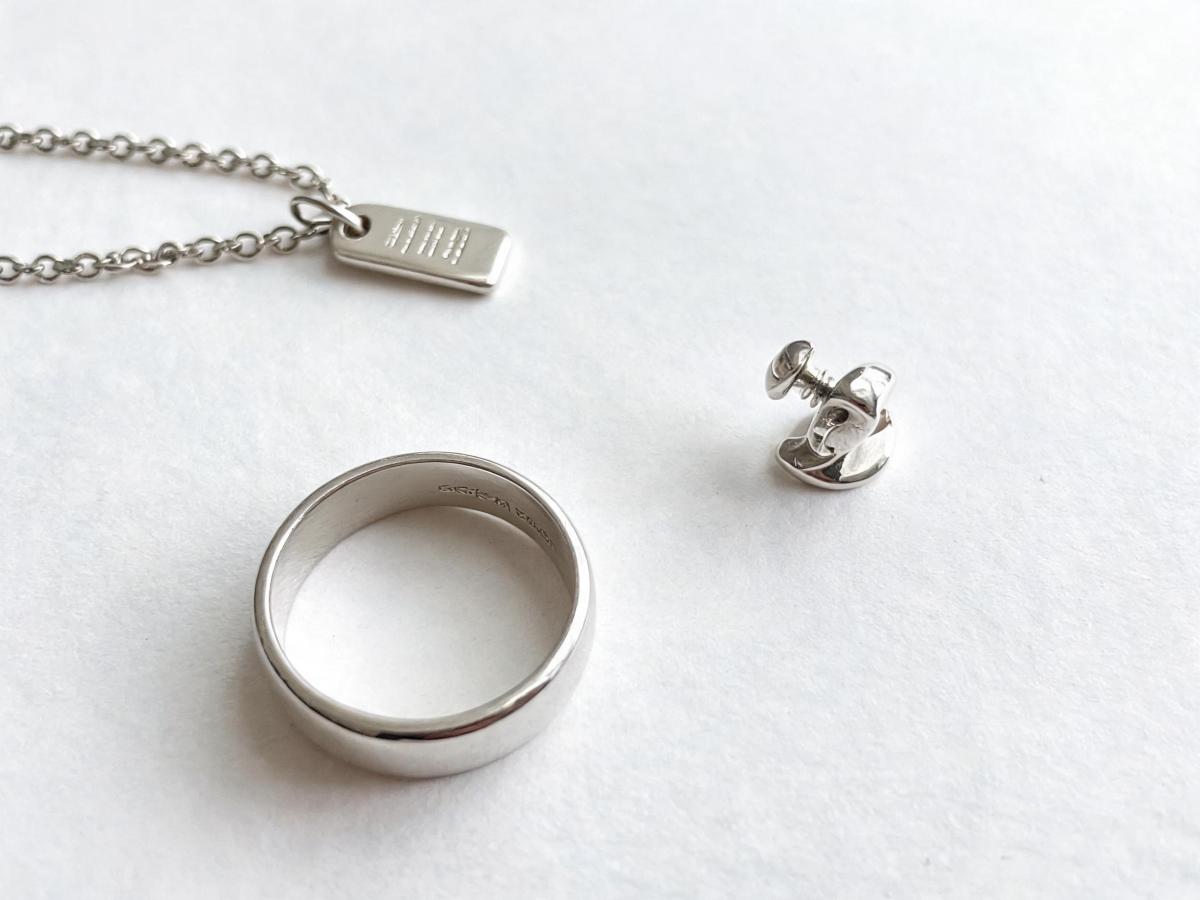
- Inside-shank engravings: For rings, a subtle engraving of a brand motto, icon, or size marker on the inner band adds a hidden luxury touch that customers notice.
- Branded earring backs and clasps: Custom-molded earring backs or lobster clasps with a tiny raised brand mark feel exclusive, even on entry-level collections.
- Consistent finish calibration: Matching the exact polish level, matte texture, or plating tone across every piece in a collection creates a cohesive, high-end line look.
These adjustments rarely require large minimum order increases, because they modify existing production tooling rather than requiring entirely new molds. OEM partners can walk buyers through which customizations fit their specific order volume and price point during the sampling phase.
Packaging That Matches Product Price Point
Premium packaging does not mean the most expensive box available. It means packaging that feels proportional to the product’s price, protects the item in transit, and aligns with the brand’s visual identity. Over-packaging can feel wasteful and inauthentic, while under-packaging makes even well-made jewelry feel cheap.
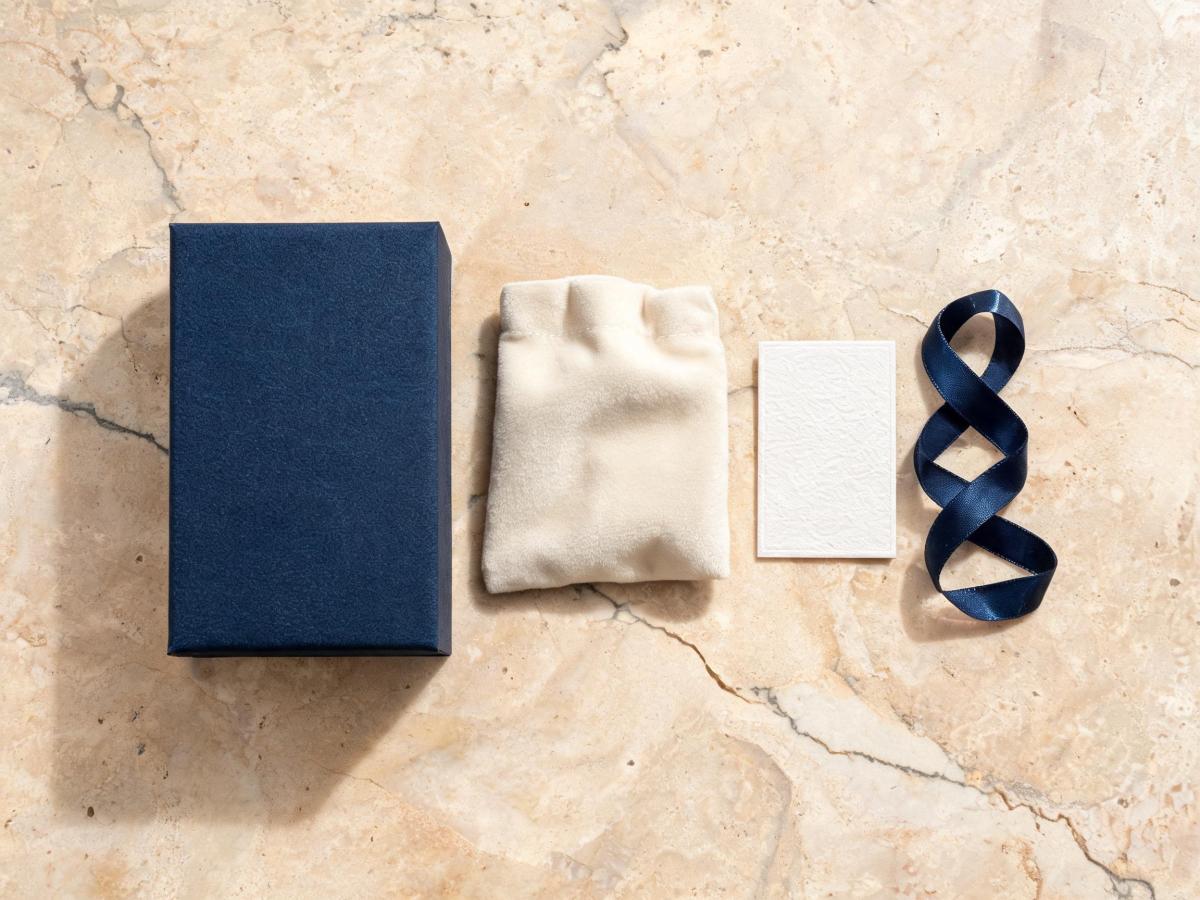
For entry-level everyday jewelry, a branded cotton pouch inside a sturdy cardboard mailer often strikes the right balance: it feels intentional without driving up per-unit costs. For mid-range and fine jewelry, rigid boxes with soft interior linings, foam inserts, or velvet pouches signal that the piece inside is valuable and worth protecting.
OEM partners typically offer a range of standard packaging options that can be customized with brand markings through printing, embossing, or debossing. Standard shapes and sizes keep costs lower than fully custom structural packaging, which often requires much higher minimums to justify tooling costs. Buyers should share their average price per piece and target unboxing feel with their supplier to get recommendations that fit their budget.
Material and Finish Choices That Elevate Perceived Value
The materials used for both private label components and packaging have an outsized impact on how premium a brand feels. Small upgrades in material quality often cost very little per unit but create a noticeable difference in the customer experience.
For private label hardware, solid metal components with a matching plating finish to the main jewelry piece always feel more premium than plastic or mixed-metal parts. Even a tiny branded tag made from the same metal as the necklace it hangs on creates a cohesive, intentional look that customers register as high quality.
For packaging, textured paper stocks, soft-touch coatings, and fabric linings all add perceived luxury without requiring fully custom structures. Embossed or debossed logos, rather than printed ones, feel more expensive because they show attention to detail and tactile quality. Foil stamping in gold, silver, or matte black also adds a premium feel at a relatively low per-unit cost for mid-sized orders.
Aligning Private Label and Packaging With Brand Identity
The most effective premium branding feels consistent across every touchpoint, from the jewelry piece itself to the packaging it arrives in. Mismatched details — such as a minimalist silver jewelry line arriving in bright gold foil packaging — create cognitive dissonance that makes customers question the brand’s attention to detail.
Before finalizing any private label or packaging choices, buyers should audit their full brand identity to ensure every element aligns. A brand focused on sustainable, earthy jewelry should use recycled paper packaging and natural fiber pouches, not glossy plastic boxes. A brand with a sleek, modern aesthetic should use clean, geometric packaging shapes and minimal branding, not ornate, decorative details.
OEM partners can provide material swatches and finish samples so buyers can test how different elements look and feel together before placing a full order. Sampling both the jewelry and its packaging as a complete set ensures there are no unexpected mismatches when the full shipment arrives.
Scaling Premium Details With Order Volume
Many small brands assume premium private label and packaging are only feasible for large orders, but OEM suppliers offer tiered options that work for different order sizes. Smaller runs can use standard packaging shapes with custom printing or labeling, while larger runs can support fully custom structural packaging and unique molded brand components.
It is often smart to start with core premium details that fit initial order volumes, then add more customizations as the brand grows. For example, a new brand might start with custom printed tags and standard velvet pouches, then upgrade to embossed rigid boxes and custom molded clasps once order volumes increase enough to justify the tooling costs.
Working with a single supplier for both jewelry production and packaging sourcing also streamlines the process, reduces shipping costs, and ensures consistency across all components. The supplier can coordinate production timelines so all elements are ready at the same time, and handle quality control for the full unboxing experience before shipment.
Turn the idea into your own design
* Designs are private until you share them in the Showroom.
Images are for illustration only.