
Practical Guide to Shipping and Incoterms for Jewelry Imports
November 24, 2026
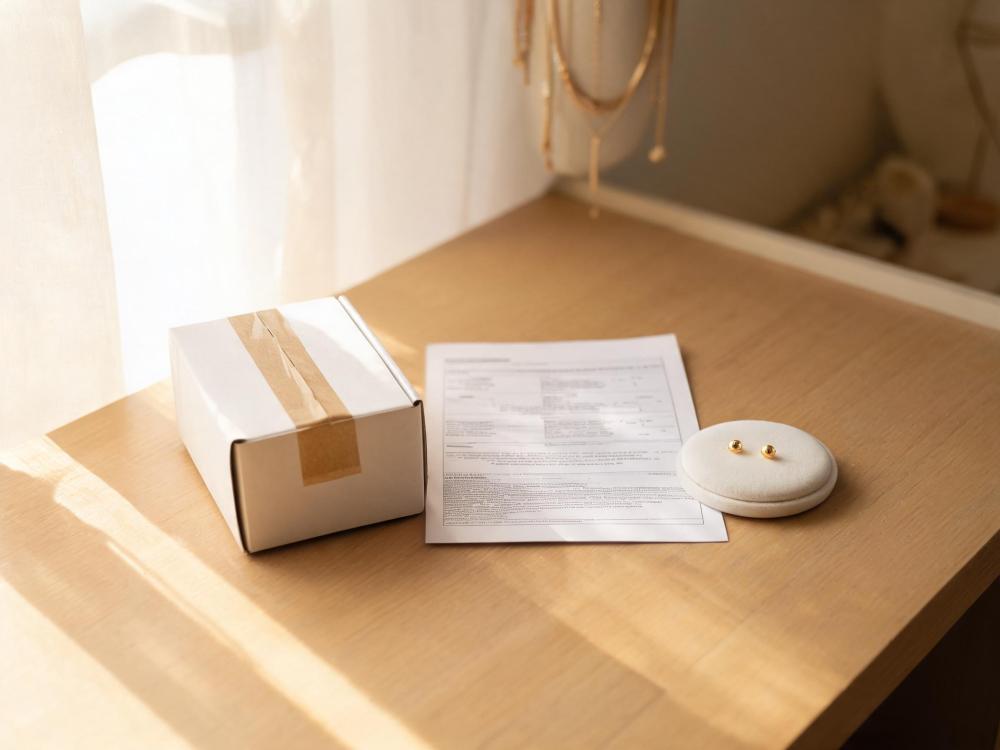
Importing jewelry involves more than picking designs and approving samples. The shipping stage determines when you receive stock, how much you pay in total, and where responsibility sits if goods are lost or damaged in transit. Many boutique buyers overlook this step until the order is ready, leading to unexpected fees, delayed launches, or misaligned expectations with suppliers. This guide breaks down core shipping concepts and Incoterms applications specific to jewelry orders, so you can plan accurately from the start of a partnership.
Common Shipping Methods for Jewelry Orders
Jewelry is a high-value, low-weight category, so you have more shipping flexibility than bulk goods like apparel or home decor. The right method depends on order size, timeline, and total value, and most suppliers will work with you to match a service to your needs.
Express courier is the most common choice for small orders, samples, and restocks under roughly 20 kilograms. Couriers handle door-to-door delivery, customs clearance support, and tracking, making them straightforward for new importers. They are also the fastest option, which is useful for limited-edition drops or last-minute inventory fills.
Air freight works for larger orders where express is too expensive but speed still matters. You can book consolidated air freight, where your shipment shares space with other cargo, or direct air freight for full consignments. Air freight usually requires you or a customs broker to handle import clearance on the destination side, so plan for that step in advance.
Sea freight is rarely used for jewelry due to its low weight-to-value ratio, but it can make sense for very large orders with heavy packaging, display sets, or bulk private label components. Sea freight has the longest lead time and the most complex clearance process, so it is only practical if you have months of planning buffer.
Before you place a full order, ask your supplier which methods they regularly use for jewelry shipments of your size. Their experience with specific routes and carriers will help you avoid delays common to certain ports or customs lanes.
Key Incoterms Rules Used for Jewelry Orders
Incoterms are standardized trade terms that define who is responsible for shipping costs, insurance, customs clearance, and risk at each point of the delivery journey. Suppliers and buyers often default to a few common terms for jewelry, but you can agree to any term as long as both sides confirm it in writing before production starts.
- EXW (Ex Works): The supplier makes the goods available at their facility, and the buyer handles all transport, export clearance, insurance, and import costs. This term gives you full control over shipping but requires you to manage every step of the journey.
- FOB (Free on Board): The supplier handles export clearance and delivers the goods to the port of departure. Once the cargo is on board the vessel or aircraft, risk and cost transfer to the buyer. This is a common term for larger air and sea shipments.
- CIF (Cost, Insurance, and Freight): The supplier pays for transport to the destination port and arranges minimum insurance coverage. Risk transfers to the buyer when the goods are loaded at the origin, even though the supplier pays for the main carriage.
- DDP (Delivered Duty Paid): The supplier handles all costs, including import duties and taxes, and delivers the goods directly to your address. This is the most hands-off option for buyers, but it usually comes with a higher quoted price because the supplier takes on more risk and administrative work.
For jewelry specifically, confirm whether the quoted price under any term includes insurance appropriate for high-value goods. Standard cargo insurance may not cover the full retail value of a jewelry shipment, so you may need to arrange additional coverage separately if the term only includes minimum protection.
How Jewelry-Specific Details Impact Shipping Planning
Jewelry has unique characteristics that change how shipping costs and processes work, even when you are using standard Incoterms. Understanding these details upfront prevents surprises when your order is ready to leave the factory.
First, declared value and customs classification affect duty costs and clearance speed. Fine jewelry, fashion jewelry, and plated pieces often fall under different tariff codes, and the material composition of each style changes the duty rate. Your supplier can provide accurate material descriptions for customs paperwork, but you should confirm the classification with your local customs authority or a broker to budget correctly.
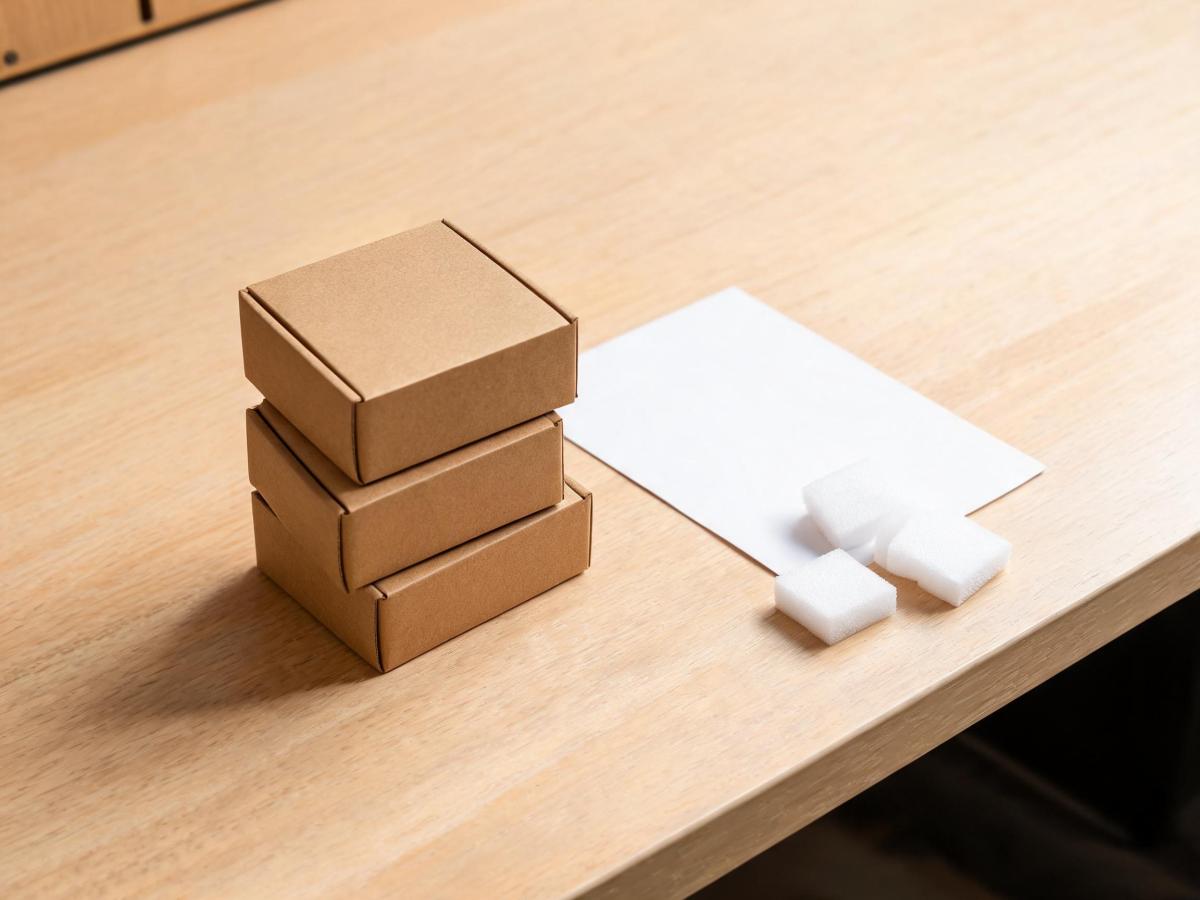
Second, packaging for shipping is different from retail packaging. Most suppliers use protective inner wrapping, padded mailers, or small cartons to prevent damage in transit, and these materials add weight and volume to your shipment. If you are calculating shipping estimates based on product weight alone, you will likely underestimate the final cost.
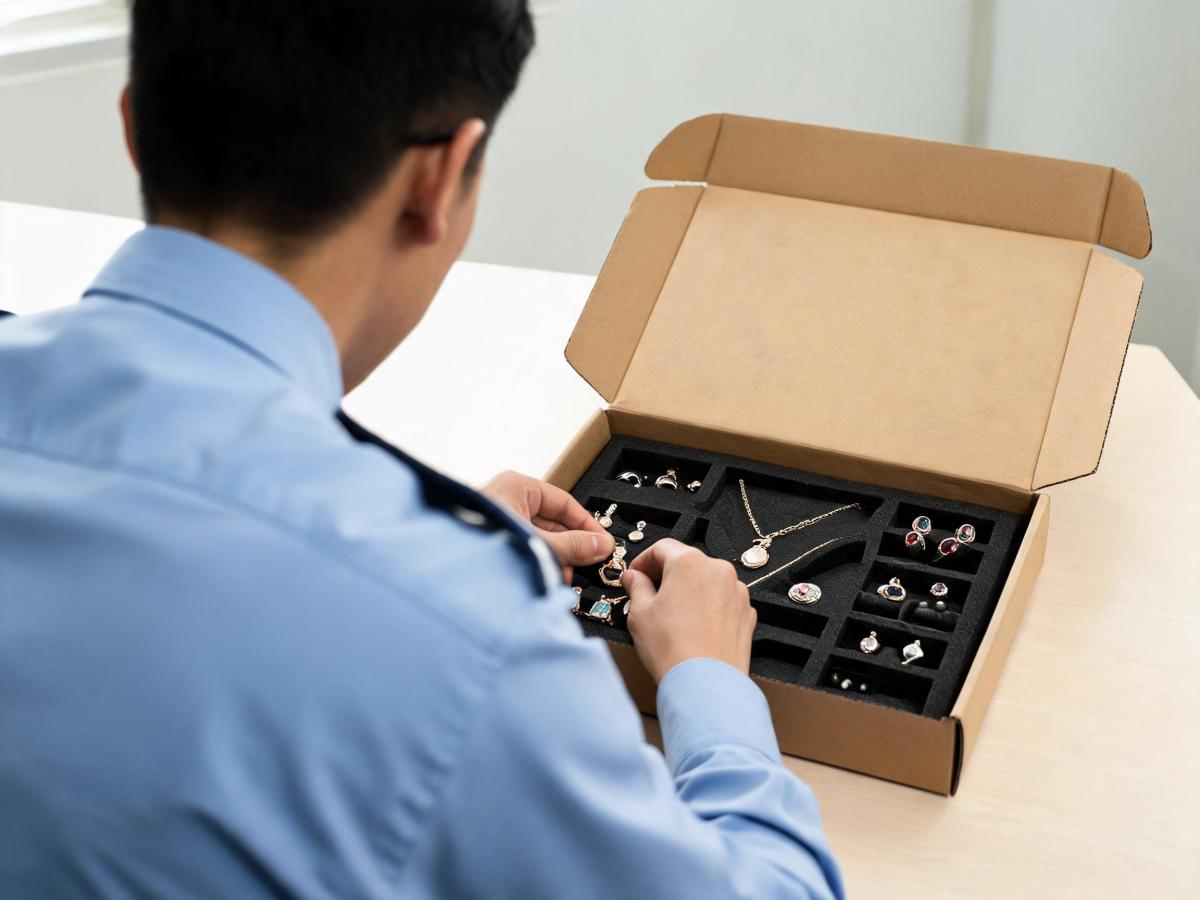
Third, security screening for high-value goods can add time to air shipments. Carriers may require additional documentation or inspection for jewelry, especially for orders with a high total declared value. Build a small buffer into your timeline if you are working toward a firm launch date.
Actionable Steps to Align With Your Supplier
Miscommunication about shipping and Incoterms is one of the most common sources of friction between jewelry buyers and suppliers. You can avoid most issues by addressing these details early in the partnership, not after production is complete.
Start by confirming the default Incoterm your supplier uses for quotes, and ask what is included in that price. For example, a DDP quote may or may not include remote area surcharges, residential delivery fees, or additional insurance for high-value stock. Get a breakdown of costs in writing so you can compare quotes fairly across suppliers.
Next, share your delivery timeline and any hard deadlines, such as pop-up events or holiday launches, before you place the order. The supplier can advise you on whether the chosen shipping method is reliable for that window, or if you need to upgrade to a faster service to meet your date.
Finally, ask for tracking details and shipment documentation as soon as the order leaves the supplier. Having the commercial invoice, packing list, and tracking number early lets you start the clearance process on your end or alert your broker that a shipment is incoming.
Shipping does not have to be a stressful part of importing jewelry. When you understand the available methods, the meaning of common Incoterms, and the unique factors that apply to jewelry shipments, you can plan costs and timelines accurately and build a smoother working relationship with your supplier.
Turn the idea into your own design
* Designs are private until you share them in the Showroom.
Images are for illustration only.