
How Small Jewelry Boutiques Compete With Big Retailers on Curation
October 29, 2026
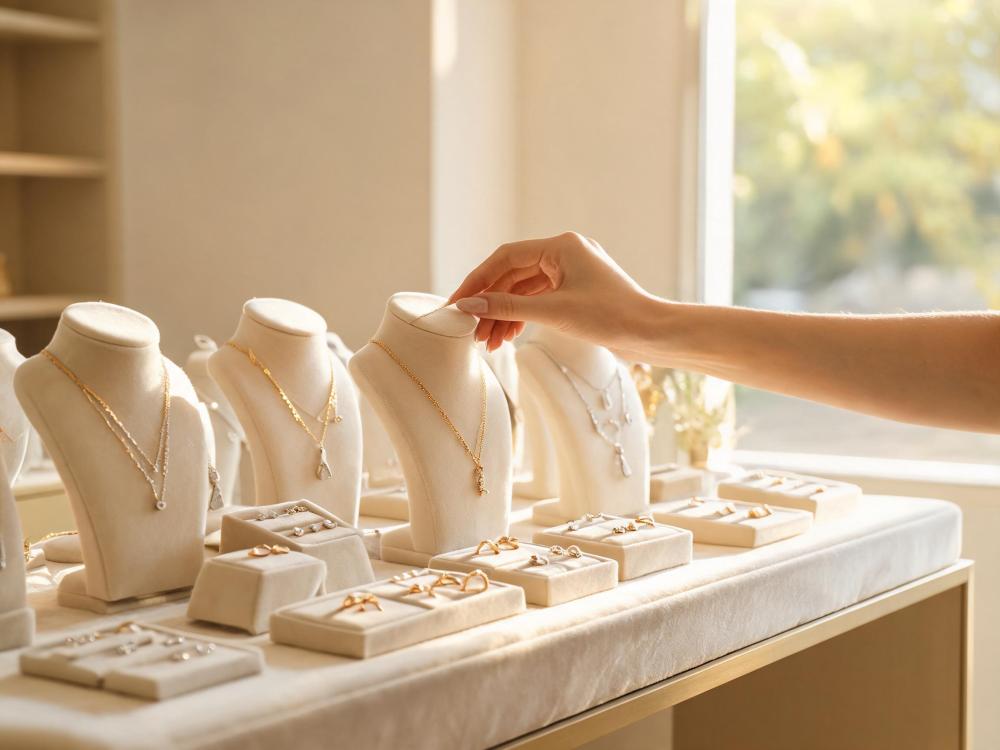
Big jewelry retailers carry thousands of SKUs, spend heavily on marketing, and negotiate steep volume discounts. For small boutique owners, trying to match that breadth or price point is a losing game. The real advantage lies in curation: a tightly edited, purposeful product mix that speaks directly to a specific audience. When done well, curation turns casual browsers into repeat buyers who trust your taste more than a big-box brand’s algorithm. Working with the right manufacturing and sourcing partners makes that level of curation achievable without overextending your budget or inventory.
Curation Starts With a Narrow, Well-Defined Audience
Big retailers design for the broadest possible market, which means their assortments skew generic to avoid alienating any shopper group. Small boutiques win by doing the opposite: narrowing their focus to a specific customer segment with distinct tastes, values, and lifestyle needs. That might mean specializing in minimalist everyday gold pieces for professional women, bold statement jewelry for festival-goers, or dainty birthstone pieces for gift shoppers. The narrower the niche, the easier it is to curate a collection that feels made for your customer, rather than scattered across every possible trend.
To refine that focus, start with what you already know about your existing customers. Look at which pieces sell through fastest, which get the most social media comments, and which shoppers return most often. Use that data to build a clear customer profile, then source only pieces that fit that profile. Resist the urge to add trending items that don’t align with your core audience, even if they seem like easy wins. A tight, consistent collection builds brand recognition far faster than a broad, inconsistent one.
Leverage OEM Flexibility for Small-Batch, Unique Assortments
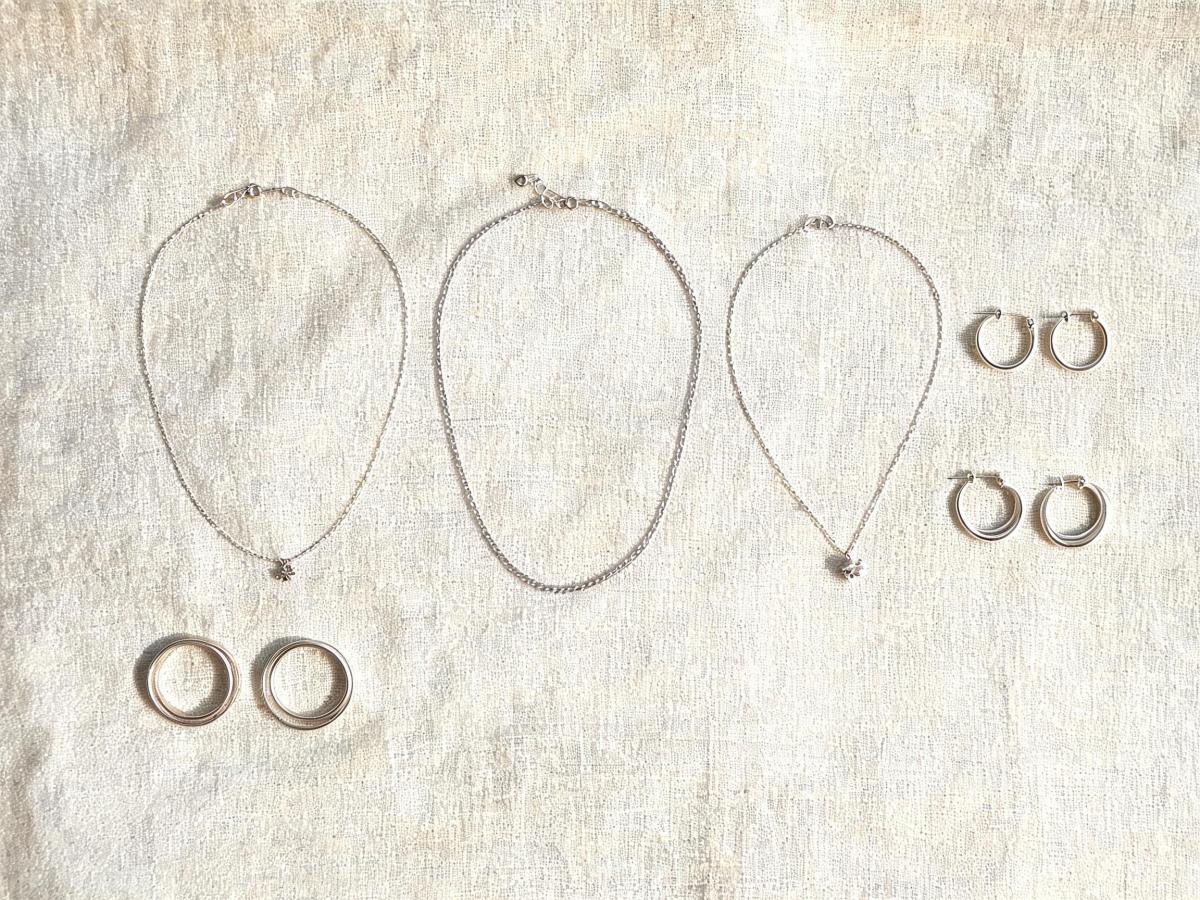
Big retailers rely on mass-produced, high-volume designs that sell in large quantities across hundreds of stores. Small boutiques can use OEM jewelry partnerships to create smaller, more distinctive runs that big chains won’t touch. OEM suppliers work with you to adapt existing designs, adjust materials or stone settings, or develop fully custom pieces that match your brand’s aesthetic. Because you’re not ordering tens of thousands of units, you can refresh your assortment more frequently and test new styles without tying up capital in excess inventory.
When working with an OEM partner on curated pieces, focus on small modifications that make a big difference for your audience. That could include:
- Adjusting chain lengths to fit the proportions of your core customer base
- Swapping standard stone colors for shades that align with your brand’s color palette
- Adding subtle custom details like a hidden engraving or unique clasp design
- Ordering mixed metal finishes that big retailers skip due to lower volume demand
These small tweaks make your collection feel exclusive and intentional, rather than generic inventory anyone can buy. Customers are willing to pay a premium for pieces they can’t find at every mall jewelry counter, which offsets the slightly higher per-unit cost of smaller production runs.
Build Curation Authority With Storytelling and Context
Big retailers list product specs; small boutiques tell stories that give jewelry meaning. Curation isn’t just about picking pretty pieces—it’s about explaining why each piece matters, how it fits into a customer’s life, and what makes it worth owning. For every item in your collection, be ready to share context: where the design inspiration came from, what materials were used and why, how to style it with other pieces in your shop, or what occasion it’s best suited for. That context turns a simple pair of earrings into a thoughtful gift, a daily staple, or a sentimental keepsake.
You can weave that storytelling into every part of your customer experience: product descriptions, in-store displays, social media posts, and packaging inserts. When customers understand the thought behind each piece, they don’t just buy jewelry—they buy into your taste and your brand’s point of view. That loyalty is far harder for big retailers to replicate, because their scale makes personalized, story-driven curation impractical across thousands of SKUs.

Use Limited Drops to Keep Curation Fresh and Scarcity High
Big retailers keep inventory levels high to avoid stockouts across their store networks. Small boutiques can use the opposite strategy: limited, frequent drops that create gentle scarcity and give customers a reason to check back regularly. Instead of ordering a six-month supply of every design, work with your sourcing partner to place smaller, more frequent orders tied to seasonal shifts, new trends, or customer feedback. That approach keeps your curation feeling fresh and reduces the risk of being stuck with slow-moving inventory.
To make limited drops work, plan your assortment 2–3 months in advance and align your order quantities with historical sales data for similar pieces. Start with conservative runs for new designs, then reorder quickly if a piece sells through faster than expected. Communicate drop dates to your email list and social media followers to build anticipation, and frame sold-out items as a natural part of your curated, small-batch model rather than a supply chain failure. Over time, customers will learn that your collection is always evolving, which encourages repeat visits and faster purchase decisions.
Quality Control Reinforces Curation Credibility
A curated collection falls apart if pieces arrive with defects, inconsistent plating, or poor craftsmanship. Big retailers have entire quality assurance teams, but small boutiques can match that rigor by working with suppliers who offer clear QC processes at every stage of production. Before placing a full order, request samples to inspect finish, fit, and material quality against your brand standards. For larger runs, ask about in-line and final inspections so issues are caught before pieces ship to your store.
Consistent quality is a core part of curation: when customers buy from you, they trust that every piece has been vetted and meets your standards. That trust is what sets you apart from big retailers, where quality can vary wildly across different product lines and price points. By prioritizing consistent, verified quality in every piece you source, you turn one-time buyers into long-term customers who rely on your curation to save them time and guesswork.
Curation is the single biggest competitive edge small jewelry boutiques have over large retailers. It doesn’t require a huge budget or a massive product line—it requires knowing your audience, working with flexible sourcing partners, and building a collection that feels intentional and exclusive. When you curate with purpose, you don’t just sell jewelry; you build a brand that customers seek out specifically because your taste matches theirs. That’s a position big retailers can’t copy, no matter how much they spend on marketing or volume discounts.
Turn the idea into your own design
* Designs are private until you share them in the Showroom.
Images are for illustration only.